close
close

Don't Forget to Take Care of the Brakes During the Rainy Season

www.informationautomotive.com -Speaking of the rainy season, it certainly speaks of vehicle maintenance. Weather in Indonesia known for high rainfall in some areas, especially at the end of the year, makes vehicles need to be considered in some parts.

 One of them is the brakes. This part is the main component of the vehicle that can be affected by its performance. Slippery roads make the need for braking crucial to stop the speed of the vehicle.
Don't Forget to Take Care of the Brakes During the Rainy Season


In order to turn off driving safety, checks on vehicle brake readiness should be a concern. Basically brake perfroma can be felt by the driver while driving. But for safer steps, periodic checks are also recommended to ensure the feasibility of further brake components.

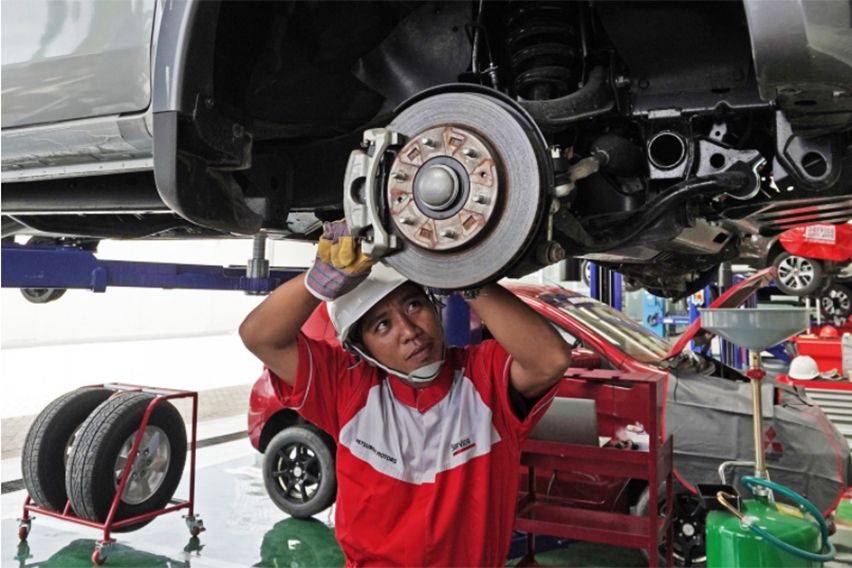
Mitsubishi advises on how to perform brake maintenance on vehicles during the rainy season. The easiest is to do periodic maintenance that will usually be checked the condition of the vehicle's brake system every 20,000 km. The examination includes the quantity of brake fluid, brake fluid leakage, thickness and flatness of the disc disc surface and the thickness of the brake pad.

If the campas are found to be thin or depleted then it should be replaced immediately. If it is thick enough, it will only be cleaned.

The disc also needs attention. If the disc experiences uneven wear and tear as a result when braking will potentially cause vibrations that are felt on the brake pedal. If this happens, it should be checked whether the disc can still be seized or has to be replaced. If it can be done subbed, it is highly recommended to use a lathe directly in the vehicle for maximum results.

Brake performance also depends on fluid or brake fluid. Be sure to check the condition of the oil reserve tank brake fluid regularly, once a week, along with other components. Vehicle owners should also follow the recommendation of replacing brake fluid every 40,000 km with brake fluid recommended in the owner manual or official workshop. Also note if the brake fluid has been exhausted before the minimum distance limit because there is a possibility of a leak that must be repaired immediately.

Brake checks should be done in an official workshop to get maximum results. Perform regular maintenance before the brake components are damaged. Regular maintenance is still better than repairing when damage occurs, especially for brake devices that have a vital role when driving. Make sure to use original parts.

"Every component equipped in a Mitsubishi car has been prepared to facilitate and ensure users to drive safely and comfortably in a variety of conditions. Owners and users must still be more vigilant and pay attention to vital aspects and also drive including when entering the rainy season," said Boediarto, General Manager aftersales Division of PT Mitsubishi Motors Krama Yudha Sales Indonesia (MMKSI) in his statement, Thursday (12/16/2021).

For Mitsubishi consumers, there is a special vehicle maintenance program during the rainy season through the Rainy Campaign program. This program offers a Mitsubishi vehicle training package that aims to prepare the vehicle consensus remains primed to provide a sense of security to customers facing the rainy season. The program, which was held from December 1, 2021 to January 31, 2022, was implemented at all authorized Mitsubishi Motors dealerships with 3S facilities and was addressed to consumers with Pajero Sport, Xpander, Xpander Cross, Outlander Sport and Mirage models. 
Rainy Season, Remember This Is What to Do when Breaking Through a Flood

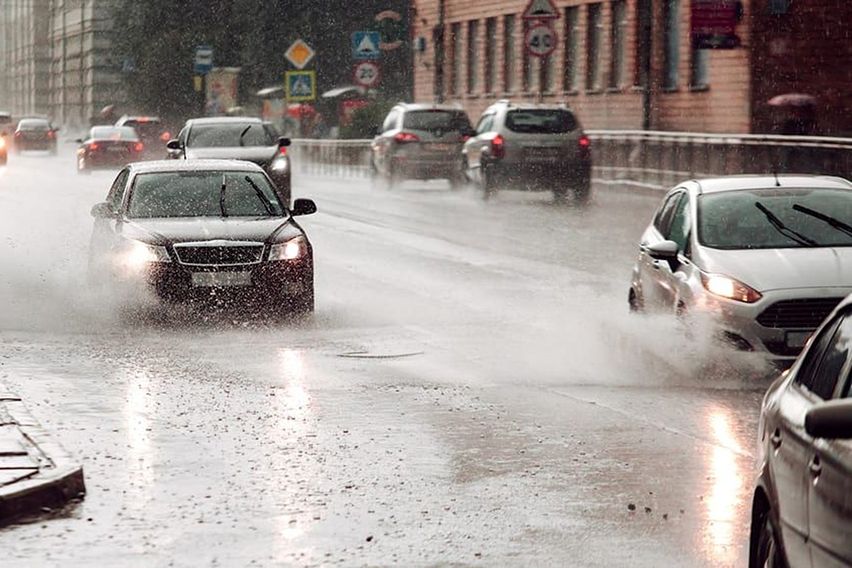
www.informationautomotive.com - The rainy season again hit most areas in Indonesia. The presence of this season means the return of the usual problem that is flooded.

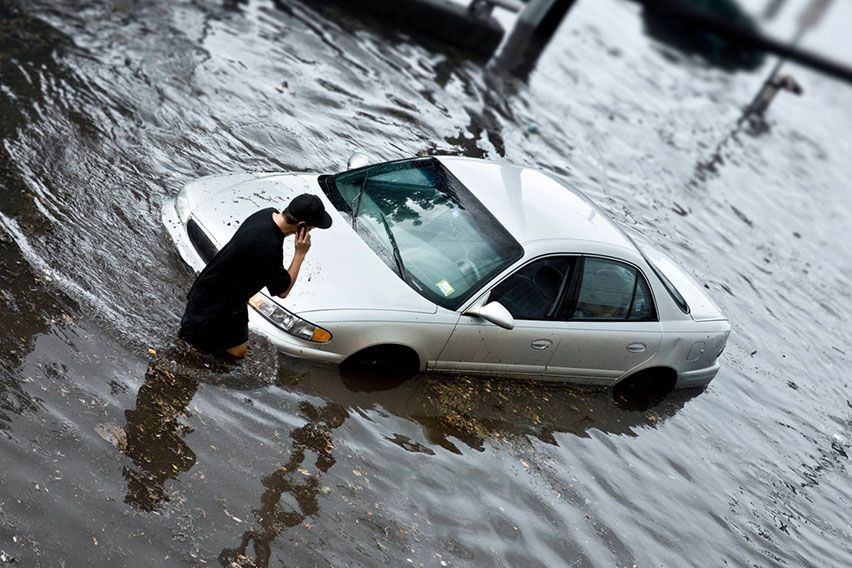
For some users of vehicles, especially cars, flooding can be a scary scourge on the road. Naturally because misjudging the surrounding conditions can be detrimental especially if desperate to break through puddles that are too deep. Some parts of the vehicle can be damaged and require repairs at a fairly expensive price.

Rainy Season, Remember This Is What to Do when Breaking Through a Flood


For that, we try to remind again, what the driver of the car needs to do when it meets flooding on the road. This applies to vehicles with both manual and automatic transmissions.

The first step when dealing with a flooded road is to try to find alternative ways. This is the safest step when dealing with flooding because it is better not to try than to end up with damage. During the rainy season take advantage of the directional application that usually has an update of information about the route to be passed so that early on avoid waterlogged roads.

If finding another way cannot be done and must pass through the water to reach the destination, do an estimate of the height of the puddle. If the water is higher then the greater the risk of the car will be damaged. See if the water reaches a height of half a tire even though the car used has a high ground clearence. This is to maintain the position of the air filter from water entry because later it will damage the engine aka water hammer.

The next step if it feels safe to break through a puddle, walk with low teeth. If the manual transmission is installed in gear one or in the automatic transmission insert it on the low gear. This is done to keep water from getting into exhaust or exhaust drains that can damage the engine.

When it hits a flood, run the car slowly. This is to anticipate road conditions that are difficult to see due to waterlogged such as holes in roads or ditches. In addition, moving the car slowly also to avoid the creation of water waves that make the water height increase and harm other road users.

In the condition of crashing puddles, keep a distance with other vehicles. This is done to prevent the car from stopping in the middle of a puddle. This way of driving is often forgotten by the driver because he wants to immediately pass through puddles. If the car stops in the middle of a puddle, it can risk water getting into the exhaust.

If the vehicle stops in the middle of a puddle, don't panic. Immediately turn off the engine to avoid more severe damage and do not try to start the engine in the middle of a puddle. Get out of the vehicle and push it through a puddle. The victim was indeed a wet shirt but at least just in case to avoid damage to the car. Once the car is in a dry place, check the condition of the car and can try to restart the engine.

Successfully passing through puddles does not mean it is safe to continue driving. Check some parts of the car to make sure there is no damage. For example, check the condition of the brakes. Check by driving the car at low speed and step on the brake pedal several times to ensure the condition is excellent. It can also be by stepping on the brake pedal a little accompanied by a gas pedal at the same time about 20 seconds.

Puddles that touch the bottom of the engine and gearbox can make water go inside and mix with lubricant. For that check brake fluid, transmission and engine oil after passing through the flood. The trick is easy, if the color of the oil turns young or cloudy like milk, it means it has been exposed to water and is recommended to replace the liquid exposed to the water.

Also check the condition of the air filter. Make sure it is dry and do the cleaning. If wet do drying so that there are no more serious problems.

Vehicles that make it through the flood it's good to immediately check to the nearest workshop. This is to ensure there is no damage to important parts of the vehicle by trained mechanics and avoid severe damage later in life.

Tips for Driving Anti-Stress in the Rainy Season

www.informationautomotive.com - Later, some areas in Indonesia experienced extreme weather conditions of heavy rain accompanied by strong winds. This condition is common at the end of the year and affects various living conditions, including driving conditions.

Driving in the rainy season has various risks such as severe congestion, fallen trees, flooding or even a car breaking down. This condition makes the driver vulnerable to become stressed and depressed. This condition is dangerous if done in conjunction with driving conditions. Drivers can get grumpy and endanger driving conditions.

Tips for Driving Anti-Stress in the Rainy Season


Here are some quick tips to be stress-free when driving in the rainy season:

The first is to make peace with the situation. It's the simplest step to dealing with stress. Being aware of the unavoidable conditions and being ready to accept the risks makes the pressure less. Use the time to calm down for a moment from various activities that take concentration to stay focused and alert while driving.

Second, make the car cabin a comfortable place. Try to make the car cabin like in a favorite room in the house. Make sure to maintain cleanliness and add cabin fragrance so that the atmosphere feels more homy. Make sure the car air conditioner is cold and entertainment devices such as head units as well as the condition of wipers in the glass is functioning properly.

The third tip is to set the sitting position as comfortable as possible. The right driving position can anticipate a variety of conditions also make the atmosphere more relaxed and calm. Position sitting not too upright which makes you tired quickly, but also not too down because it will be difficult to anticipate road conditions. Try to hold the steering wheel relaxed but still be able to maneuver quickly and safely.

The fourth tip is to create a list of fun songs while driving. Listening to music is one of the recreational and relaxing activities during the trip. It is used to reduce exposure to sources of stress continuously on the road. Choose music that is preferred and can improve mood but also do not fall asleep when listening to music. Make sure to stay focused while driving.

Fifth, choose the best travel route. Take advantage of digital maps via mobile phone. Monitor the latest traffic information in various media such as reports of route conditions whether there is a flood, or fallen trees. Move forward with a travel schedule so you have extra time if there are problems on the road and make your mind calmer.

Sixth, when stuck move the body to relax the tense muscles during driving. Stretch to facilitate blood circulation and reduce stress. Do it by moving your feet, fingers and neck. Move according to the usual stretching method.

The seventh way is to keep emotions while driving the car. Do not be provoked by emotions when there are other road users making mistakes such as cutting lanes. Do not follow aggressive maneuvers that endanger other road users. Maintaining emotions, the body's energy is not drained for things that are not important and keep away from stress.

The eighth is to keep the condition of the vehicle remains excellent. This is one of them by doing routine maintenance, especially in important parts to deal with rainy season conditions. For Toyota owners, take advantage of periodic service in Auto2000 or Toyota Home Service that can come to the house to check.

"Excessively high stress while driving a car can trigger a variety of problems. Therefore, AutoFamily needs to prevent stress while driving a car, while Auto2000 helps through periodic service to keep the vehicle in tip-top condition. Immediately visit the Auto2000.co.id website to get a vehicle maintenance promo right now," said Nur Imansyah Tara, Aftersales Business Division Head Auto2000, in his statement, Friday (3/12/2021).

Self-Inspecting Vehicles in the Rainy Season

www.informationautomotive.com - The rainy season becomes an interesting thematic discussion related to personal car maintenance. Rainy weather while driving does require better vehicle readiness to ensure the trip is not disrupted and no unwanted events occur.

Self-Inspecting Vehicles in the Rainy Season


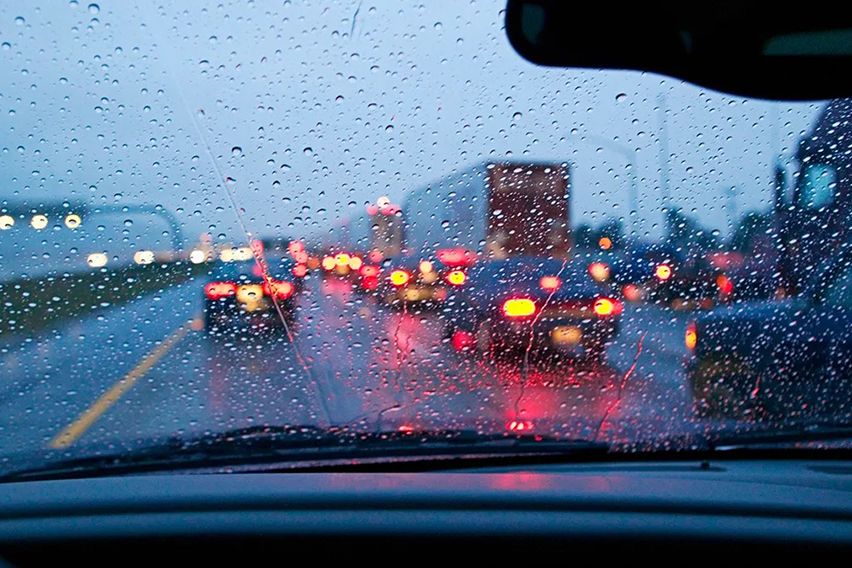
For car owners can do a self-examination of their vehicle in the rainy season. This examination becomes important because road conditions can change 180 degrees when the rain comes. More slippery road surfaces, limited visibility, to decreased engine performance can make travel comfort reduced.

The first and easiest inspection is the car tire. Checking the condition of the tire is very important because of its function that grips the road surface. Check the tire pressure in accordance with the manufacturer's rules to make sure the sole of the tire gets maximum grip. Check the thickness of the palm through the tread wear indicator (TWI) instructions in the groove of the tire sole. Do not forget to clean the palms of the gravel that is stuck and check the tire wall if there is a potential tear or bump.

The next check is on the legs of the car. Weak suspension systems, such as broken rubber bushing shock absorbers or even damaged shock absorbers, will make the car difficult to control and reduce passenger comfort. While the problematic steering system also makes it difficult for the driver to control the direction of the car. Do not forget to do spooring and balancing periodically to maintain the condition of the tires and legs of the car.

Furthermore, the device that must be used during the rainy season is car wipers. During the dry season wipers are almost never used, plus the rubber gets exposure to the heat of sunlight and dust so that it shakes. In addition to not being able to work optimally, rubber wipers that shake also have the potential to cause a very disturbing berets in the car glass. Do not forget to check the rear wipers and fill the glass cleaning water tube so that it does not have problems when needed.

Another device that needs to be checked is the braking system. Brakes work extra heavily during the rainy season due to slippery roads. Therefore, make sure the brake pads along with disc discs or teromol are in good condition and there are no leaks in the brake system given their very important role. Do not forget to check, fill the brake fluid tube and do draining when it is time to maintain brake performance.

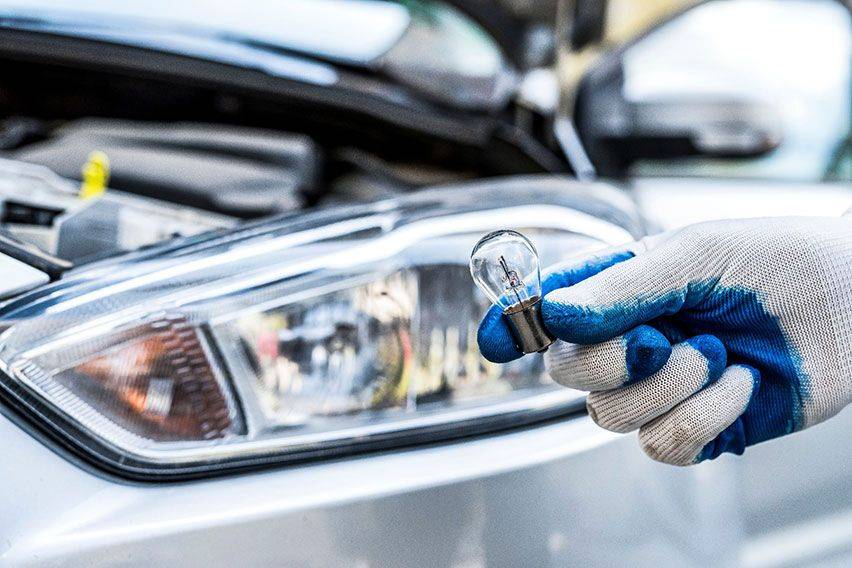
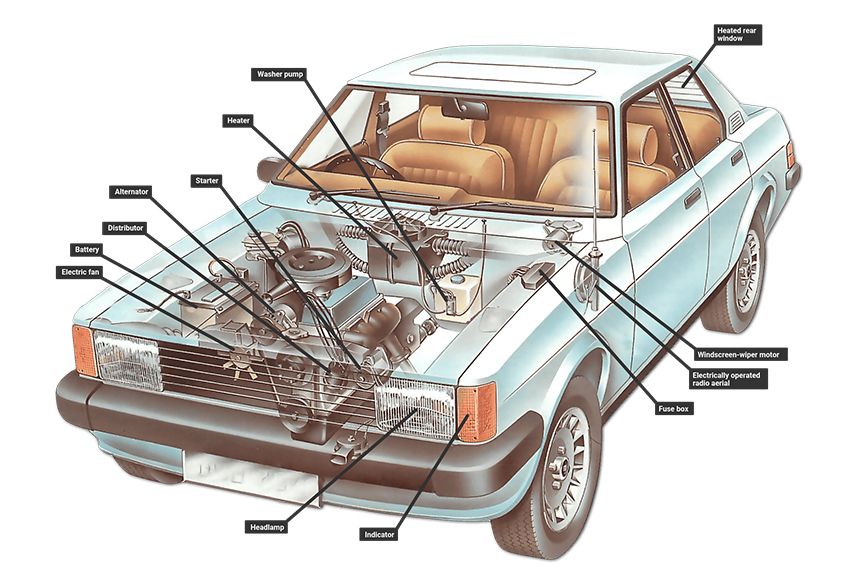
Don't forget to check the condition of the lights and electricity. The task of the electrical system gets heavier when it rains. Such as having to support operational air conditioning, wipers, audio, and lights simultaneously. Therefore, check the electrical system such as batteries, alternators, cables, fuses, and connectors to ensure the condition is good and viable for operation. When it rains heavily, car lights have the task of helping to see the road conditions ahead and ensuring other road users can see the car well. It is very dangerous if the car lights are off or dim.

Lastly, to keep the cabin comfortable, the cooling system aka ac is important to work during the rainy season. Cabin cooling also serves to keep the car glass from dewy so that the driver does not have difficulty monitoring the conditions outside. In addition, rubber car doors must also be considered because this one component also has a lifetime. Rubber doors and windows that shake make rain water can break in. Although trivial, but it must be annoying if it happens.

"Prepare an umbrella before it rains, do an inspection and maintenance of your vehicle during the rainy season. At the end of this blessed year, Auto2000 prepares a variety of profitable promos in servicetival digiroom promos that can be selected as needed. Immediately visit the website Auto2000.co.id now," explained Nur Imansyah Tara, Aftersales Business Division Head Auto2000, in his statement.

Misguided About The Use of Hazard Lights, This Is the Danger

 The end of 2021 is beginning to be tinged with rain. Sometimes high rainfall makes motorists have to be more careful. But sometimes we still see many drivers who turn on hazard lights when it rains. There are still many motorists on the highway who are misguided with the function of hazard lights. In fact, it is clear that the function of hazard lights should only be used during emergencies. The question is, "Can you use hazard lights when it rains heavily?"

Misguided About The Use of Hazard Lights, This Is the Danger


Rifat Sungkar, brand ambassador of Mitsubishi Motors Indonesia, admitted that there are still many motorists in Indonesia turning on hazard lights in conditions of heavy rain and lack of visibility. Hazard that is continuously ignited can actually increase the potential for accidents, because the maneuver is difficult to read by other riders. Rifat who is also a national pereli explained this during a virtual talk with the media, Tuesday (12/14/2021).

Rifat said the phenomenon of application of hazard lights under the splash of heavy rain that seems to be considered commonplace by motorists today. Reminded by the driver who drove the Mitsubishi Xpander AP4 that the use of hazard lights is not allowed except in an emergency, namely the car stops.

Hazard lights are times when both left and right lights are on or flashing at the same time. Hazard lights are also often referred to as emergency lights, but the emergency conditions intended here are not included in rainy or foggy conditions.

"It's misguided, why is that? Because the existing vehicle system already has qualified features, let alone there is a current DRL, the survey proves the use of DRL can reduce the accident rate. On the other hand, we have a hazard system that can signal to other road users when there is danger," rifat explained.

"But please don't use hazards when the car is running. Hazard is the only signal that gives a sign that the car is indeed stopped," he added.

Hazard lights themselves have their own functions, including:

- Used when the vehicle is having problems on the road and has to pull over. The hazard lights that are on will give a warning to the rider behind you.

- Alert the vehicle behind if there is an accident or must stop suddenly.

 The danger posed when using hazards in the middle of an oncoming vehicle, is that other drivers on the road cannot predict our maneuvers. Whether it's when it's going to turn or shift to another lane. The activation of two sein lights simultaneously does not help safer conditions, although it is considered that the riders actually "increase visibility".

Instead of preventing, the use of hazard lights not in accordance with its function can actually increase the potential for accidents. Then the use of hazard lights on the highway in less than ideal driving conditions must be considered.

"Regarding hazard, there is a potential accident, because hazard is only turned on for a speed of 0 (km / h) or stopped. So if it is turned on on the road it will create confusion. So do not turn on hazard unless in an emergency or stop," continued pereli who is now also active as a member of the management of the Indonesian Motor Association (IMI).

In addition to avoiding the use of hazards, Rifat also reminded the importance of maintaining distance and speed when driving in rainy weather. Because no matter how much safety features, driving at high speeds especially under heavy rain will actually increase the potential for accidents.

Understand the Electrical System to Take Care of Your Vehicle

Vehicle maintenance is one of the important concerns of car owners. Current conditions with rainy weather and various uncertain road situations make traveling requires important capital, namely problem-free vehicles. Not only about the exterior appearance and cleanliness of the interior but also related to the vehicle system.

One part that must get attention according to Rifat Sungkar, Brand Ambassador of Mitsubishi Indonesia, is the electrical or electric part of the vehicle. Although invisible, vehicle electricity is an important part of the car's performance.

Understand the Electrical System to Take Care of Your Vehicle


The main electrical system there are two, namely body harness and engine harness. Body harnesses are associated with electricity, lights, power steering and sound systems. The engine harness has to do with the drive that governs the engine and gearbox. This system is related to the ECU aka the brain of the car.

For electrical interior, used on the inside of the car is part of the body harness. Rifat revealed here there are often disruptions because vehicle owners usually make modifications to audio, accessory additions, charger additions and inverters.

The fourth is the electrical security system. It has to do with the electric engine. This electrical system is to improve safety and comfort during vehicle use. For example, for active and passive safety in the vehicle. Includes hill start assist, electric stability control and cruise control.

"During the rainy season like this, the electrical system can be the most at risk. It needs attention because the electrical fault is like an internal wound, on the outside it looks good but inside it turns out to be damaged." 

Rifat also mentioned the car burning due to modifications. According to him, there are several cases that need to be considered because the cause of burning can vary. For example, a car with a front engine usually when one or two times through a puddle. Damage to the electrical system is undetectable and water is a hidden danger to electricity because not all cars are prepared for this water problem.

Rear-engined cars that are usually in supercar cars are different again the cause of the fire. Usually because the engine is close to the newpot, the exhaust overheats and burns the bumper that triggers the fire. So the cause of the fire is quite a lot.

"In essence, if you want to modify electricity must understand the risks and what the purpose of modifying it. For example, for friends who like offroad he knows modifying the need for large electricity on the vehicle, so use a large alternator to turn on a variety of additional accessories for the outdoors. Or the addition of inverters that are usually used in the car. There is a limit of inverters that can be used, if the inverter installs large then want to make weight modifications. So there is an aspect ratio that must be calculated."

Watch This When Cars Are Affected by Volcanic Ash Volcanic Eruptions

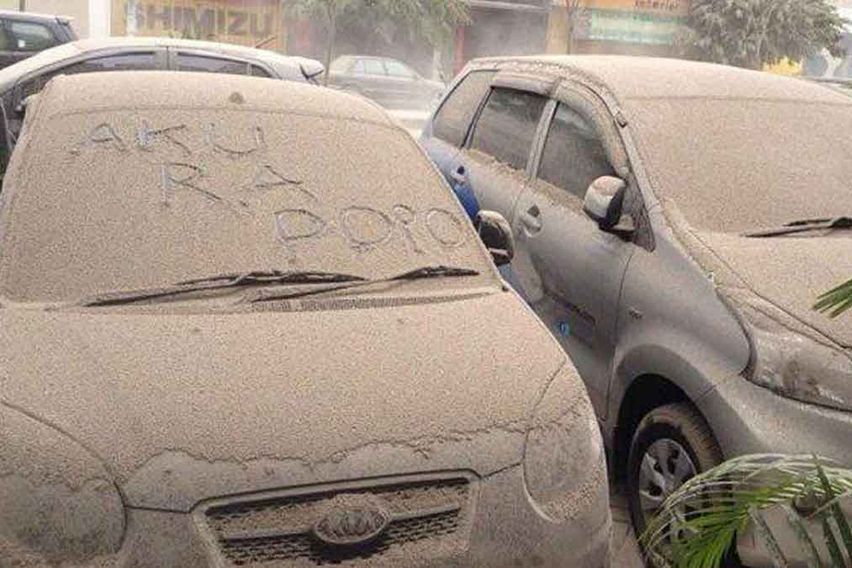
 Indonesia's natural conditions make people understand the various risks that can occur in everyday life. Most recently, the eruption of Mount Semeru affected the daily life of the surrounding community including the volcanic ash rain.

For some people who live around volcanoes, this condition becomes one of the natural cycles that can occur at any time. But for vehicle owners it can be a different story. Volcanic ash can bring badly on cars because it has a high content of quartz sand and is acidic. Fine dust also has a high level of sharpness such as broken glass and triggers rust.

Watch This When Cars Are Affected by Volcanic Ash Volcanic Eruptions


How to deal with volcanic ash if at any time affected by volcanic eruptions. There are several things to consider especially to avoid more severe damage.

First on the windshield of the car. Do not wipe volcanic ash that sticks to the windshield of the car with wipers because it will potentially scratch the glass. Spray the glass with wiper cleaning water before wiping it. It is safer to water the car glass using running water or bottled water if in an emergency. Make sure there is no ash attached and continue to wipe with a washcloth.

The next attention to the body of the car. Owners need to be careful because volcanic ash is usually corrosive. Especially if in the body of the car there is damage from accidents. The best step is to immediately rinse the body of the car using running water after use. Once clean, use a dry washcloth and make sure it is perfectly clean.

The next step is to pay attention to the air filter on the engine. This part is like a human nose. The air filter filters the air that enters the engine room. Volcanic ash can damage the engine if it manages to escape an air filter that is not optimal. Do not hesitate to replace the air filter if it is too dirty.

Next is the car AC. Do not open the windshield when crossing the area affected by volcanic ash. Dust will enter the car's AC circulation and can clog up to the end of damaging the AC device. It is increasingly dangerous when contaminated air conditioning air is inhaled by car passengers. Check and replace the air conditioning cabin filter to make sure the air that enters the car's ac circulation remains clean.

Volcanic ash can also stick to the brake disc and cause problems when the brake pad presses on the disc. The surface of the brake disc will be scratched. The situation is the same when the ash manages to get into the brake tromol. Friction with the brake pads will make the brake tromol surface scratched and decrease its performance. Most severely the brakes can get stuck and damaged which triggers an accident if the brake fails to function.

Don't forget the liquid on the car. Although tightly sealed, there is still the potential for volcanic ash to successfully infiltrate the container of a car device that relies on fluids to work, such as brake fluid or radiator water. Once mixed, the chemical formula in the liquid is potentially damaged and makes it unable to work optimally.

Another component of the car that can be affected by problems due to volcanic ash is sensors that are sensitive to dirt and will interfere with the performance of the car's electronic controls. It can even make car components malfunction. Like the sensors on the car's braking system are damaged and make the ABS feature can not work properly.

"Volcanic ash volcanoes can have a negative effect on car components because they contain sharp quartz sand and are corrosive acids. You Toyota users immediately do periodic servicing of vehicles affected by volcanic ash to prevent damage and potential problems such as accidents due to malfunctions of important car components.