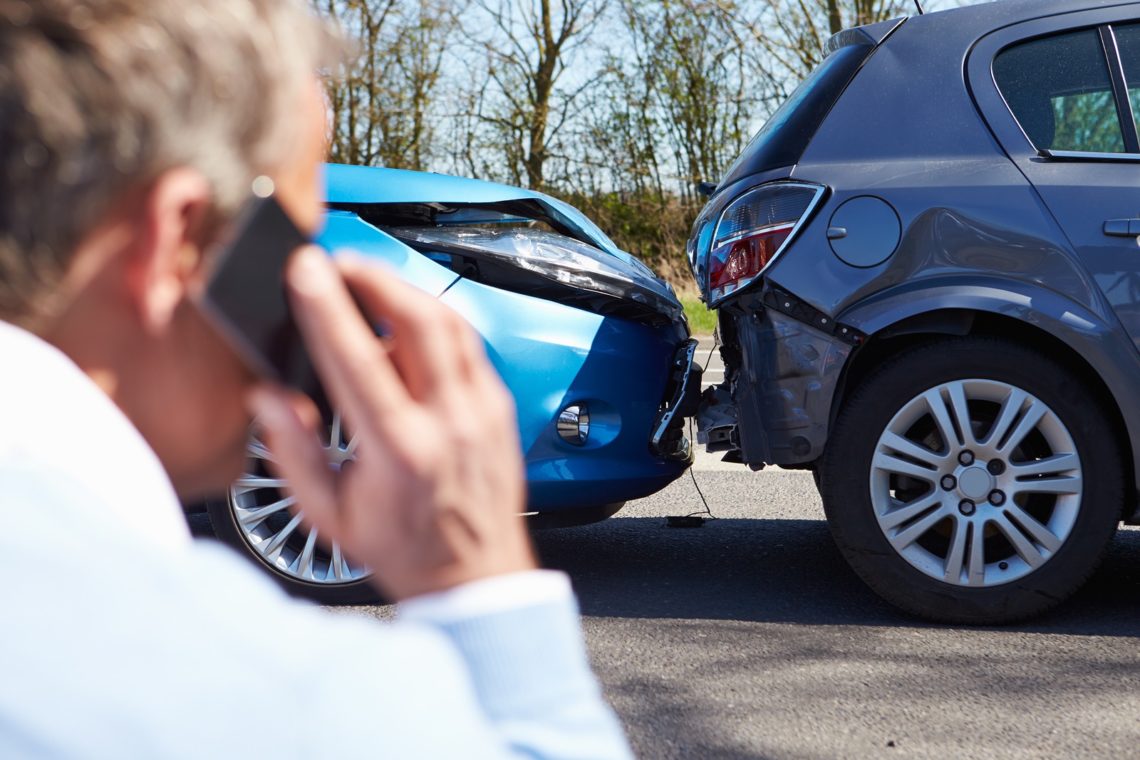
www.informationautomotive.com - Even if relatively minor, a car accident can be a sudden, jarring, and unsettling experience. The lawyer may not know what to do immediately after. In addition to seeking medical attention, there are certain steps that lawyers should take or consider after a car accident.
Acting promptly and decisively can be important in receiving the help a lawyer needs to address a lawyer's injury and property damage. This is a basic overview of some of the key issues to keep in mind, but we recommend reading about each topic in more detail as well.
 |
| What Lawyers Should Do After a Car Accident |
Report an Accident
No matter who is at fault, the lawyer almost certainly needs to report the accident to the lawyer's insurance company. Not reporting an accident would jeopardize a lawyer's ability to file a claim at a later date. The attorney may also need to report the accident to law enforcement, depending on whether the accident caused a certain amount of injury or property damage. Even if the attorney does not need to report the accident to law enforcement, the attorney may need to call the police to the scene. Their investigations can produce evidence that can support a lawyer's claim.
If a lawyer has ever been involved in a very minor car accident, such as an accident in a parking lot, the attorney may wonder if the attorney can move forward without reporting the accident and taking care of the related documents. Some accidents can cause vehicle damage but there are no injuries to anyone involved. Different states have different rules governing whether an accident needs to be reported to law enforcement. However, almost every insurance policy requires the driver to report any accident—no matter how small—to the insurance company.
Read Also :
Smart Automotive Tips to Save Money on Car Repairs in America
Beginner’s Guide to Car Ownership in the United States
Top Automotive Tips to Extend Your Car’s Lifespan in the USA
Essential Car Maintenance Tips Every U.S. Driver Should Know
Report to Law Enforcement
Whether a lawyer needs to report an accident to law enforcement often depends on whether or not the accident resulted in an injury. If the collision only causes property damage, the attorney may not need to report it at all. In some states, attorneys may need to report an accident that only causes property damage if the damage is worth more than a certain amount, such as $1,000 or $2,500.
Involving law enforcement can be helpful in certain cases, even if the lawyer technically does not need to report the accident. Drivers are expected to stop at the crash site so they can exchange contact information and insurance information. If the driver doesn't do this, or if the attorney suspects that they are uninsured, law enforcement can help the attorney track down the driver or encourage them to cooperate. Also, police reports that law enforcement resulted from the crash could provide important information in determining who was at fault. They can investigate the scene and record physical evidence as well as witness observations.
Although the lawyer may think that the attorney does not need to file a claim because there are no injuries, some types of injuries may arise later and the attorney may want to seek compensation. Law enforcement sometimes does not respond to accidents that do not involve injuries during emergency situations caused by weather conditions. The lawyer can still complete the accident report form with another driver and send it to the appropriate agent. Gas stations and roadside stores can provide this form.
Report to Insurers
Drivers in accidents that don't cause injury often feel reluctant to contact an insurance company about them. They may feel that the hassle of filling out paperwork is unnecessary, and they may worry that their premiums will increase. Failing to fill out a report for a lawyer's insurance company is a serious mistake.
If the attorney eventually learns that the lawyer's injury is more severe than the lawyer realizes, or if the other driver then alleges significant injury or vehicle damage, the attorney may not be able to get coverage through the attorney's insurance company. It will likely indicate that the attorney did not report the accident, so there may be no need to respect certain provisions in the policy. If the cost of the accident turns out to be large, the lawyer will probably pay more than the lawyer should have earned through the premium increase.
There are some rare situations where no dispute can arise from an accident. Maybe the lawyer crashed into a building on the lawyer's property or the equipment that the lawyer had. If the only damage affects the property the attorney owns, and no one is injured, the attorney may not face the consequences of not reporting the accident. However, in general, filling out a report is a wise (and usually legally required) step.
Gather evidence
If the lawyer is physically capable, the lawyer must take photos and possibly video of the crash site to be used as evidence in the lawyer's claim. The lawyer can capture the position of the vehicle after the accident, damage to the vehicle, debris on the road, the lawyer's injuries, and the scenery around the accident. For example, if there is a traffic light or stop sign, the lawyer may want to take a photo that shows the position of the vehicle relative to the lights or signs.
The lawyer should also get contact information from any witnesses to the accident, such as pedestrians or people in other cars. These people can corroborate the lawyer's account of the events leading up to the accident. If the police come to the scene, they will make a report. Lawyers should get a copy of the police report as this can be an important piece of the puzzle for insurance companies.
Investigate errors
Lawyers can potentially sue many different parties after a car accident, and lawyers should not assume that the blame lies with only one or more drivers. By bringing all responsible parties into a claim or lawsuit, a lawyer increases a lawyer's chances of getting all the compensation the lawyer has to pay. In addition to the driver, the defendant may include the employer of the guilty driver if they were at work at the time, as well as the manufacturer or distributor of the damaged vehicle or auto parts. In some complex situations, the entity responsible for designing or maintaining the road or its surroundings may also be responsible.
Consider Hiring a Lawyer
If a lawyer's accident is relatively minor and involves only property damage, the lawyer may not have to bother and incur costs to hire a lawyer. If the lawyer is seriously injured, on the other hand, or if the lawyer's claim seems to be being challenged for any reason, the lawyer may have to get a lawyer on the lawyer's side. Car accident lawyers usually work on a contingency fee basis, which means that they are paid only if and if the lawyer is paid. The lawyer should make sure to choose a lawyer who is in good contact with the lawyer personally, as well as someone who is experienced and proficient in handling similar cases with the lawyer.
Get ready for the fight.
In some cases, the error is direct, responsibility is immediately assigned, and any dispute concerns the extent of the victim's damage. Often, however, defendants or their insurance companies will vigorously defend claims. They may argue that victims fail to comply with procedural rules, such as statutes of limitations, or they may file arguments of comparative negligence or contribution. These rules vary depending on the state, but the general concept is that victims' indemnity can be reduced (or eliminated entirely in some cases) if the defendant can show that they are at least responsible for the accident. The lawyer should not make any admission of wrongdoing to the insurance company but should instead discuss the matter with an attorney.
If you want to get on win on fee offer, just click the best Solicitors in Uk.
ReplyDelete