Ultimate Guide to FMVSS Minimum Safety Standards for Imported & Sold Vehicles in the USA (2026)
Understanding minimum safety standards for vehicles imported into or sold in the United States is essential for manufacturers, dealers, importers, and even vehicle enthusiasts. The Federal Motor Vehicle Safety Standards (FMVSS)—issued by the U.S. National Highway Traffic Safety Administration (NHTSA)—define these requirements.(NHTSA)

This in-depth article explains:
What FMVSS are
Why they matter for imports and sales
Key standards you must know
Practical comparisons and examples
Official compliance sources
Which option fits your situation
Risk disclosures & investment/CTA links
🚗 What Are FMVSS?
Federal Motor Vehicle Safety Standards (FMVSS) are U.S. safety performance regulations issued under Title 49, Part 571 of the Code of Federal Regulations. They set minimum performance and design requirements for motor vehicles and equipment sold or imported into the United States.(NHTSA)
Unlike regulation systems in some countries, the U.S. system depends on manufacturer self-certification—vehicles must meet the standards and be certified as compliant to be legally sold or imported.(NHTSA)
🛞 Why FMVSS Matter for Imported Vehicles
Federal law prohibits the sale or import of any motor vehicle or motor vehicle equipment manufactured after January 1, 1968 unless it conforms to applicable FMVSS. Importers must ensure:
The vehicle originally complied with FMVSS, or
It is made compliant via a Registered Importer (RI) and approved by NHTSA, or
It is over 25 years old (classic car exemption).(Legal Information Institute)
Failure to comply can result in denied import entry, fines, or vehicle confiscation.
Read also :
Navigating the US Automotive Market: A Startup Owner’s Guide
Essential Tips for Automotive Startups: How to Thrive in the US Market
Top Strategies for Launching a Successful Automotive Startup in the USA (2026 Guide)
Hagerty Classic Car Insurance in the USA: The Ultimate Guide for Enthusiasts
Best Car Insurance Companies in the US (2026) — Ultimate Comprehensive Guide
🧾 Official Compliance Resources
Here are the official government links you should bookmark:
NHTSA Laws & Regulations – Federal FMVSS List: https://www.nhtsa.gov/laws-regulations (official source) (NHTSA)
Importation & Certification FAQs (NHTSA): https://www.nhtsa.gov/importing-vehicle (guidance on import compliance) (NHTSA)
Federal Register & CFR FMVSS Text: https://www.ecfr.gov/current/title-49/subtitle-B/chapter-V/part-571 (law text)
📊 FMVSS Quick Comparison Table: Key Standards
| FMVSS No. | Title | Applicability |
|---|---|---|
| FMVSS 101 | Controls & Displays | Instrument cluster visibility, speedometer standards (NTEA) |
| FMVSS 106 | Brake Hoses & Assemblies | Hydraulic, air, vacuum brake hose safety (Wikipedia) |
| FMVSS 108 | Lamps, Reflective Devices | Headlights, taillights, reflectors (Wikipedia) |
| FMVSS 116 | Brake Fluids | Quality & labeling of brake fluid containers (Wikipedia) |
| FMVSS 208 | Occupant Crash Protection | Seat belts, airbags performance (Wikipedia) |
| FMVSS 226 | Ejection Mitigation | Rollover ejection prevention systems (Wikipedia) |
➡️ Each standard applies differently based on vehicle type and year of manufacture.
📦 Example FMVSS Safety Products (Images for USA Audience)
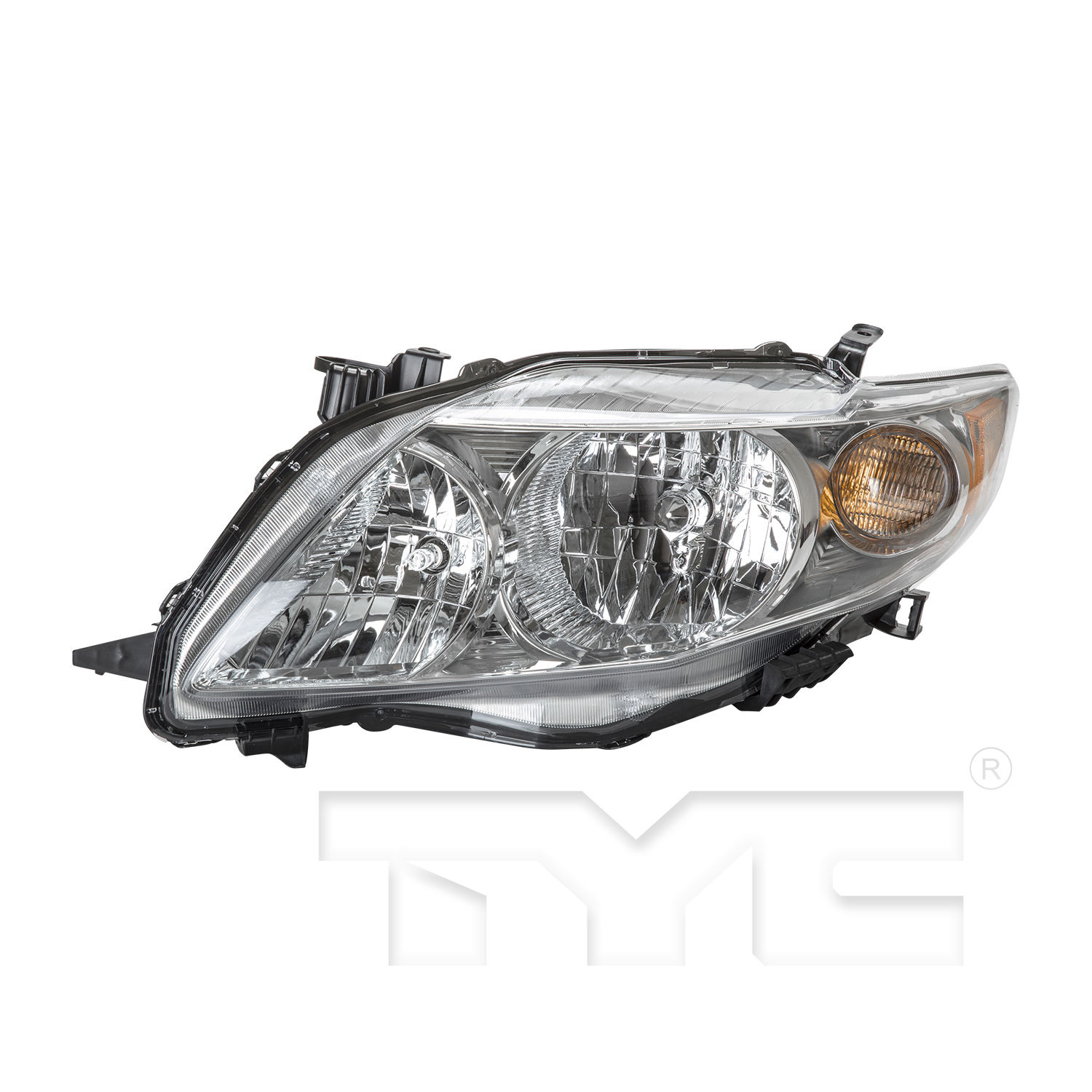


These are the types of products that either comply with or support compliance to FMVSS standards (affiliate links can be integrated here if monetizing):
DOT & FMVSS-rated brake hoses
FMVSS-compliant lighting assemblies
Airbags & occupant protection systems
TPMS kits meeting FMVSS requirements
📊 “Which Is Right for You?”
Choosing the right path when importing or selling vehicles depends on your scenario:
✔️ You’re a Manufacturer
Certify vehicles directly under FMVSS
Submit VIN and certification data
Use Part 567 compliance labels
👉 Pros: Full compliance & legal sales
👉 Cons: High regulatory burden
✔️ You’re Importing a Vehicle
If less than 25 years old: ensure it already meets FMVSS
If non-compliant: work with a Registered Importer (RI)
👉 Pros: Access to unique vehicles
👉 Cons: May require costly modifications
✔️ You’re a Dealer or Exporter
Avoid vehicles without FMVSS certification
Clearly document verbal compliance letters from manufacturers
👉 Pros: Legal risk reduction
👉 Cons: Limited sourcing
For step-by-step compliance forms like HS-7 declaration, consult the official NHTSA importing guidance page. (NHTSA)
⚠️ Risk & Legal Disclaimer
This article is for informational purposes only and does not constitute legal or regulatory advice. Safety standards and regulations may change. Always consult:
The official NHTSA website
A Registered Importer (RI) for non-compliant vehicles
Legal counsel if you import vehicles professionally
🔗 External Official Links
NHTSA FMVSS Regulations — https://www.nhtsa.gov/laws-regulations (NHTSA)
Importation & Certification FAQs — https://www.nhtsa.gov/importing-vehicle (NHTSA)
CFR Title 49 FMVSS Code — https://www.ecfr.gov/current/title-49/subtitle-B/chapter-V/part-571
🔥 Call to Action (Monetization Ready)
👉 Compare investment platforms for automotive sourcing & compliance tools
👉 Check current parts & safety gear pricing for FMVSS compliance kits
👉 Looking to import? Start with a Registered Importer consultation
✍️ About the Author
Azka — Automotive Enthusiast & Compliance Content Specialist
Azka has spent years studying U.S. automotive regulations, advising importers and dealerships, and writing deeply researched guides to help enthusiasts and professionals navigate complex legal requirements safely and confidently.
Stay safe, stay compliant, and keep your vehicles road-legal!
Comments
Post a Comment