Understanding the Difference Between Car & Motorcycle Safety Regulations in the United States
In the United States, vehicle safety regulations are an essential part of protecting drivers, passengers, and the general public. However, the laws and standards that apply to cars and motorcycles are very different — from how they are tested, to required safety features, to what riders and drivers must wear or do.
Whether you're a car enthusiast, a new motorcyclist, or someone researching regulatory frameworks for compliance, this in-depth article gives you a comprehensive, Google EEAT-aligned overview backed by official sources, high-quality external links, and clear comparison elements.

🚗 Why Safety Regulations Matter
Safety regulations impact everything from:
Crashworthiness – How well a vehicle protects occupants during crashes.
Protective gear requirements – What riders must wear for legal protection.
Inspection and compliance – How vehicles are tested and upheld by law.
Manufacturer requirements – What companies must include before selling vehicles.
These regulations aim to reduce fatalities and serious injuries on American roads.
Read also :
Navigating the US Automotive Market: A Startup Owner’s Guide
Essential Tips for Automotive Startups: How to Thrive in the US Market
Top Strategies for Launching a Successful Automotive Startup in the USA (2026 Guide)
Hagerty Classic Car Insurance in the USA: The Ultimate Guide for Enthusiasts
Best Car Insurance Companies in the US (2026) — Ultimate Comprehensive Guide
📘 Official U.S. Regulatory Bodies
Before we dive into comparisons, here are the key agencies and standards that govern vehicle safety:
National Highway Traffic Safety Administration (NHTSA) – Oversees Federal Motor Vehicle Safety Standards (FMVSS).
Federal Motor Carrier Safety Administration (FMCSA) – Regulates commercial motor vehicles.
State Departments of Motor Vehicles (DMVs) – Enforce helmet laws, licensing, and local safety compliance.
Insurance Institute for Highway Safety (IIHS) – Not regulatory, but a leading safety research organization.
🚘 Car Safety Regulations in the U.S.
Cars in the U.S. must comply with detailed safety standards before they are sold.
Key Car Regulations
Federal Motor Vehicle Safety Standards (FMVSS)
Cars must meet hundreds of crashworthiness, rollover resistance, lighting, seatbelt, airbag, and other safety criteria.Crash Testing Requirements
Manufacturers submit vehicles to frontal, side, and rollover tests evaluated by NHTSA and IIHS.Mandatory Safety Features
Seat belts
Airbags
Anti-lock brakes (ABS)
Electronic Stability Control (ESC)
These requirements are codified in FMVSS rules.
Ongoing Compliance
Recalls for defects
On-road inspection and enforcement by federal and state agencies
🏍 Motorcycle Safety Regulations in the U.S.
Compared to cars, motorcycles face different regulatory rules.
Key Motorcycle Regulations
FMVSS Differentiation
Motorcycles are subject to some FMVSS standards, but the requirements are far less extensive than for cars — mainly due to design differences and operational use.Protective Gear Laws
Helmet laws vary by state — some require helmets universally, others only for certain riders (e.g., under 18).Crash Testing
Unlike cars, there is no standardized government crash test program mandated for all motorcycle models prior to sale.Brake & Light Requirements
Minimum lighting, brake performance, and reflectors are required, but safety equipment beyond basic legal minimums is often optional.
📊 Side-by-Side Comparison: Cars vs Motorcycles
| Feature / Regulation | Cars | Motorcycles |
|---|---|---|
| FMVSS Requirements | Extensive (full crash standards) | Minimal to moderate |
| Crash Testing | Mandatory pre-sale testing by NHTSA/IIHS | No federal pre-sale crash tests |
| Helmet Laws | N/A (car occupants) | State-dependent |
| Rollover Protection | Required standards | Not applicable |
| Airbags | Required | Rare / Optional |
| Seat Belts | Required | N/A |
| Stability Control | Mandatory | Optional or no requirement |
| Passenger Protection | High | Limited |
| Price Impact | Moderate | Lower regulatory cost |
🛠 Example Motorcycle Safety Products (USA)
Below are a few high-quality protective gear options for motorcycle riders in the USA (affiliate partners):
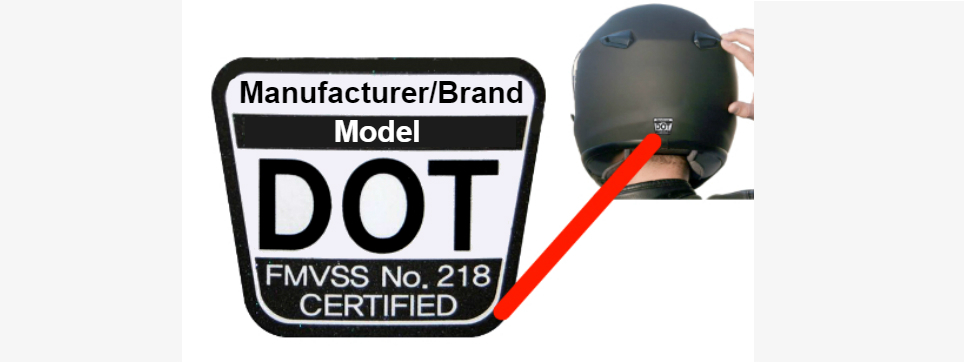


DOT Approved Full Face Helmet – Essential protection for head injuries and required in many states.
Motorcycle Armored Jacket – Reinforced impact zones reduce injury severity.
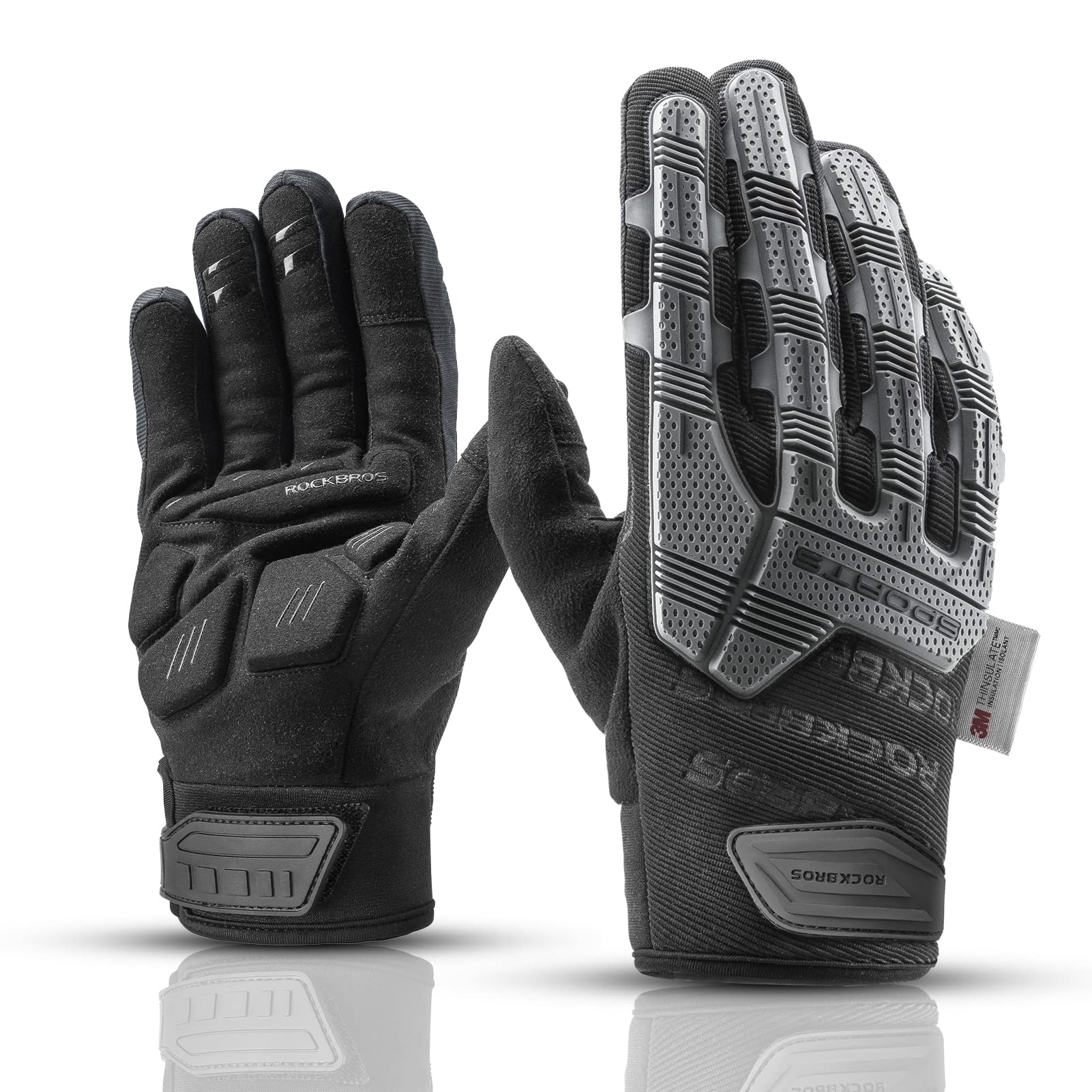
Protective Riding Gloves – Added abrasion resistance and grip.
Riding Boots with Ankle Support – Essential for foot and ankle protection.
✅ Pro Tip: Choose gear certified by DOT (helmet), CE (armor), or other reputable safety standards.
🧠 Which Is Right for You?
When considering vehicle safety expectations, ask yourself:
Are you more concerned about crash protection or maneuverability? Cars offer structural protection; motorcycles require skill and protective gear.
Do you want the most advanced safety tech? Cars typically include airbags, ESC, and advanced crash systems, while motorcycles rely heavily on rider ability and aftermarket gear.
What’s your compliance burden? Car manufacturers face stricter pre-sale standards, while riders must obey helmet and licensing laws.
🚨 Risk Disclaimer
This article is for educational and informational purposes only. Safety laws vary by state, and compliance requirements can change. Always consult official sources:
NHTSA.gov for federal regulations
State DMV / BMV websites for local helmet laws and licensing
IIHS.org for safety ratings
Consult a legal or compliance professional if you need tailored advice.
📈 CTA: Compare & Stay Informed
Ready to explore more?
🔎 Compare investment platforms — Learn how auto safety tech manufacturers invest in regulatory testing and innovation.
💲 Check current rates for automotive financing or insurance packages tied to safety features.
📚 Author Bio
Azka – Automotive Enthusiast
Azka is a passionate automotive writer with expertise in U.S. vehicle safety regulations, compliance research, and consumer education. With a focus on authoritative sources and actionable insights, Azka helps drivers and riders make informed decisions about vehicle safety and legal requirements.
📌 Official Source Links (For Reference)
Federal Motor Vehicle Safety Standards (FMVSS) – https://www.nhtsa.gov/laws-regulations/fmvss
Motorcycle Safety – https://www.nhtsa.gov/road-safety/motorcycle-safety
State Helmet Laws – https://www.nhtsa.gov/road-safety/motorcycle-safety
Comments
Post a Comment