close
close

Cheaper than the Fazzio Hybrid-Connected, this is an alternative to Yamaha scooters for daily use

 Yamaha Indonesia officially sells a sophisticated retro-style scooter. Yes, he is a Yamaha Fazzio Blue Core Hybrid Connected which is offered with prices starting at IDR 21.7 million and the most expensive being IDR 22 million OTR Jakarta.

 This model was specially developed to present a new driving style trend and can meet the character and lifestyle of consumers.

Although he is a new segment and a pioneer in its class, other Yamaha scooter lines are still interesting to own. They are also worthy of being selected to be used as daily vehicles. Especially for those who belong to the entry level class. The model also varies. Here's an alternative scooter that has a price below Fazzio.
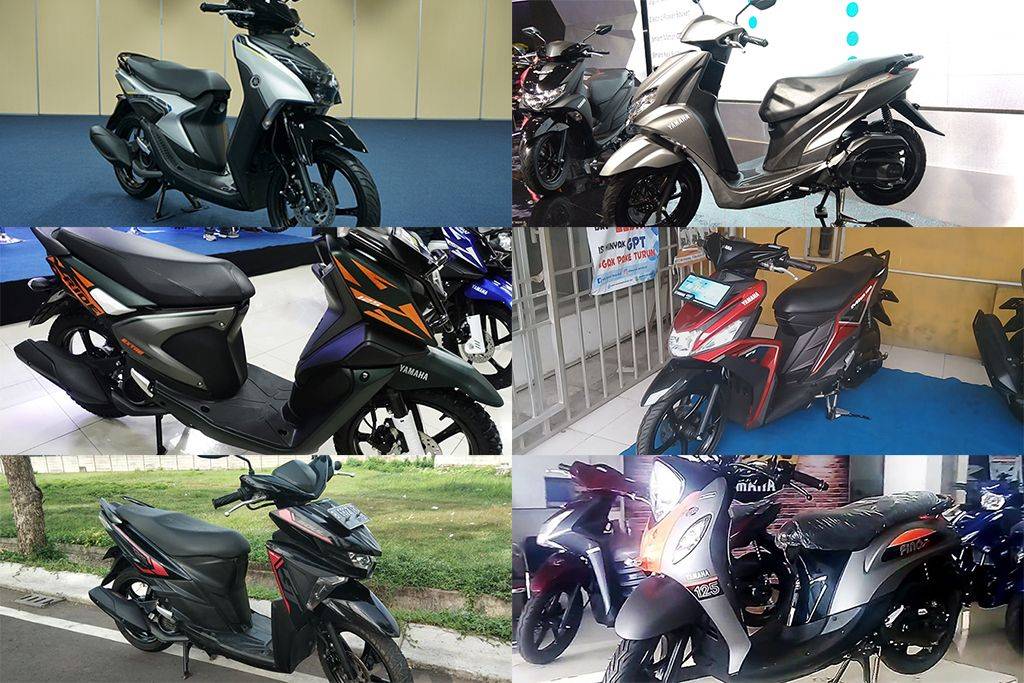
Cheaper than the Fazzio Hybrid-Connected, this is an alternative to Yamaha scooters for daily use


Yamaha Gear 125

The first choice is the Yamaha Gear 125. It has two types, namely the S Version and the Standard Version. Both have a much cheaper price than the Fazzio Hybrid-Connected. Sold for IDR 17,950 million for the S Version and IDR 17.2 million for the standard version.

It offers a variety of features that are very useful for daily use. Mainly a spacious flat deck and storage space under the chairs, can be used to put jackets, gloves or other small objects. Then it has a double hook, making it easier to carry more items and can be folded when not in use.

There is also an additional shelf on the left side which is quite large and deep, and can even store a medium-sized water bottle. There is a gadget charging socket available, but consumers have to buy a connector. Honey, the place is open. If you want a neat cover, Yamaha offers a cover accessory. So it is safer when putting things. 

Especially for the highest variant or S, the Stop & Start System (SSS) feature is embedded. If the condition is active (on position), then the machine will automatically turn off when the motor is idle for 3-5 seconds. The ignition device is located on the right handlebar. Quite helpful in terms of fuel efficiency. Then a remote Answer Back System is given, helping to find the motorbike in the parking lot.

The mechanical heart of the Gear 125 is 124.96 cc, SOHC, single cylinder, 4 stroke with air cooling and Blue Core Fuel Injection technology. The power and torque produced are 9.38 hp at 8,000 rpm and 9.5 Nm at 5,500 rpm, respectively. The power is quite qualified to be used by anyone for daily activities.

For the safety of users who sometimes forget to raise the side standard, a stand side switch is provided. So, the engine does not start when it is still in the down position. Then there is a Smart lock that can maintain the motor's position when on an incline. All Mio variants are actually already equipped with this device, and have become a standard feature that must be present in entry-level scooters.

Yamaha FreeGo

The next alternative is Yamaha FreeGo. It has three variants, namely the standard type, S Version and S-ABS Version. But there are only two versions that have a price below Fazzio, namely the standard and the S Version. Both are priced at Rp. 19,750 million, and Rp. 21,290 million OTR DKI Jakarta.

For the S version, there is a smart key feature. Riders no longer need to take out/insert keys. Made compact by only pocketing the remote. The tool is already loaded with the immobilizer module and the Answer back system.

Another feature that is no less interesting is the digital instrument panel. Adopting a sophisticated screen and small in shape, only 6 x 4 cm. Blue background and equipped with “Multi Information Display” (MID). Also equipped with spacious luggage. Its capacity reaches 25 liters, the same as that of the old NMax. Riders can store their belongings such as full face helmets or bags, jackets, shoes and basketballs.

Then FreeGo uses LED Headlight. Riders also don't have to worry about losing power, because they are equipped with an electric power socket. It is located above the key house. However, there is no compartment to put a smartphone

Then there is the Smart Front Refuel. Refueling is quite practical because the filling tank hole is in the front position. The gas tank has a capacity of 4.2 liters, and is protected by a steel plate. For SSS technology (Stop & Start System) only available in type S and S ABS. As for the features attached to all versions, there are SMG, smart lock, and side stand switch.

The engine used is 125 cc Blue Core air-cooled with 52.4 mm piston and 57.4 mm stroke, compression ratio of 9.5:1. It claims a maximum power of 9.3 hp at 8,000 rpm and 9.5 Nm of torque at 5,500 rpm.

Yamaha X-Ride

The manufacturer also gives an option with an adventurous-looking scooter, namely the X-Ride. He is priced at Rp. 19.190 million on the road (OTR) in Jakarta. This urban scooter is also supported by features that can accommodate daily use. There is an Answer back system, hazard lights, sub tank suspension, stand side switches, and Forged & Diasil.

The engine uses Bluecore technology with a volume of 125 cc. Maximum power is 9.3 hp at 8,000 rpm and 9.6 Nm of torque at 5,500 rpm. For the price, it is currently priced at Rp. 18,690 million on the road in DKI Jakarta.

In addition, this adventure-style scooter is also equipped with sub tank suspension, tubeless tires and wide handlebars. The headlights are LED with daytime running light (DRL).

Yamaha Mio Series


Yamaha Mio Series consists of M3 125 AKS SSS (Rp 17,270 million), M3 125 standard (Rp 16,950 million), S-Smart (Rp 16,915 million) and Mio Z (Rp 15.8 million) OTR DKI Jakarta. The tuning fork manufacturer's legendary scooter family is distinguished by its design and features.

All Mio variants are easy to drive by anyone and are suitable for everyday use. Have dimensions not too big. The design specifications are also able to provide steady stability when maneuvering on winding roads.

For the M3 Series type, the difference is only in the features. The highest is the Advance Key System (AKS) which is integrated with the Answer Back System. That's to make it easier for owners to find the location of the motorbike while in the parking lot. Plus the Stop & Start System (SSS) which is useful for turning off the engine automatically when it stops for more than 5 seconds. To restart the engine, simply turn the gas lever.

While other Mio get a multifunctional key house. One access for three functions: ignition key to start the motor, lock the motor and open the trunk. Of course with a magnetic hole cover to make it safer from the crime of theft.

The Mio M3 Series fuel tank capacity is 4.2 liters and the trunk is quite spacious and spacious for an entry level scooter. It can be used to put a jacket, gloves or other small things, but it doesn't fit a helmet. While for Mio S the volume of space under the seat reaches 10.2 liters, so it is very functional to accommodate luggage. All of them feature an Eco Indicator, smart stand side switch, rear brake lever lock (Smart Lock) that can hold the motorbike when it stops on an incline or descent.

Mio series adopts a 125 cc engine with Blue Core technology. The pacemaker is capable of spewing out a maximum power of 9 hp at 8,000 rpm and a torque of 9.6 Nm at 5,500 rpm. They are known to be responsive and have economical fuel consumption. Even on its official website, Yamaha dares to claim that the Mio M3 is 50 percent more efficient than the 2008 Mio carburetor. So it is suitable as a vehicle to accompany daily activities.

Yamaha Fino Series


Next from the Yamaha retro scooter family, namely the Fino Series. It is offered with three different types, consisting of; Sporty, Premium and the most expensive is Grande. The prices offered are different, Sporty and Premium Rp 19,340 million, while the highest variant, Rp 20,500 million OTR Jakarta. This 125 cc injection engine motorcycle targets female and male consumers who like modern retro designs.

All Fino variants have the same body, slim and easy to ride. Using the design concept of "S-Shape" with a touch of elegant style. All three are only distinguished from the graphic design and features.

According to the specification data, all the same. Equipped with a single-cylinder 125 cc SOHC engine equipped with Blue Core technology. Capable of blowing 9.5 hp of power at 8,000 rpm and 9.6 Nm of torque at 5,500 rpm. Formulated with a bore configuration of 52.4 mm x stroke 57.4 mm. The responsive engine is optimized with an air cooling system (Air Cooled). Embedded with Forged & Diasil Cylinder, so the motor cooling is better, reduces noise, is durable and not easy to wear. To start the engine, there are two choices of starters, there are electric & kick starters.

For its features there are Smart Stand Side Switch, Smart Lock System, and Advance Key System (AKS). Under the seat there is a 4.2 liter fuel reservoir and 8.7 liter trunk. Using 14 inch wheels wrapped in wide tread tubeless tires. The size is 80/80 front, 100/70 rear.

While the Grande type is given LED Headlight and Stop & Start System (SSS). The LED technology definitely makes the lighting brighter. While SSS, allows the engine to turn off automatically when the motor stops for more than 5 seconds. And it comes back on just by turning the gas lever. That way fuel consumption becomes better.

Yamaha Soul GT Series

Then there is the All New Soul GT Series. It has two different types, namely AKS SSS and AKS. Advance Key System (AKS) functions to increase security to minimize theft. It has answer back technology, making it easier for owners to find their vehicle in the parking lot. While the function of SSS is to make the engine turn off automatically when it stops, and turn it back on just by turning the gas lever.

For the lower type, it is priced at Rp. 17.3 million and 17.8 million OTR DKI Jakarta for the expensive version. Although there are differences in features, both carry the same engine. With a capacity of 125 cc SOHC cooled liquid with a fuel injection combustion system and using Bluecore technology. His single-cylinder engine is capable of producing a peak torque of 9.6 Nm at 5,500 rpm and a maximum power of 9.5 hp at 8,000 rpm.

Other features include a 14 liter trunk, LED headlight, eco indicator, smart lock, side stand switch and forged & diasil.
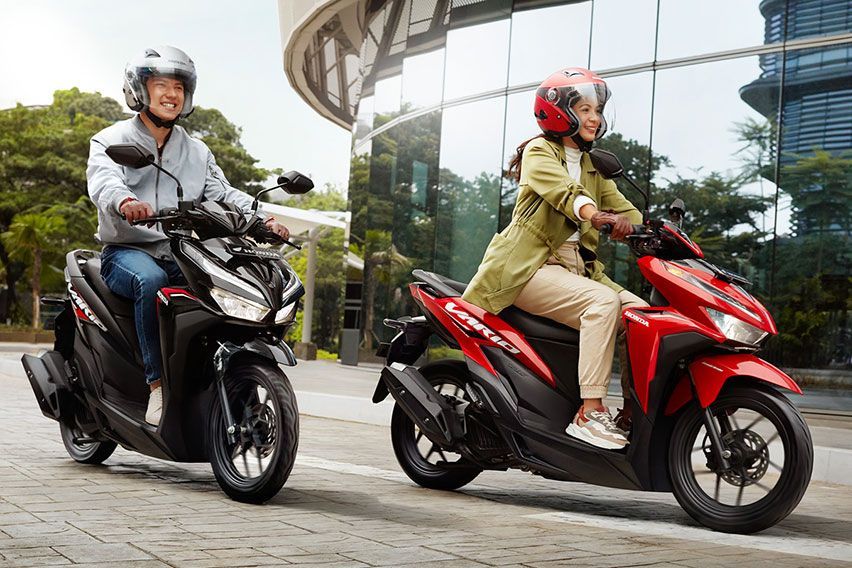
The history of the Honda Vario in Indonesia, from 110 cc to 160 cc engines

Honda Vario is an automatic transmission motorcycle produced by Astra Honda Motor in Indonesia. It was first launched in 2006.

 Its presence was intended to anticipate the scooter market which was then controlled by Yamaha with its Mio.

Since its birth, its work has been very popular with its efficient fuel consumption, masculine and modern models. Honda Vario at that time still had a 110cc engine capacity. Along with the development of motorcycles, scooters from Honda had undergone several engine changes. From 110cc, 125cc, 150cc to the latest using a mechanical heart with a capacity of 160cc. The evolution of the technology also underwent an overhaul, from the carburetor to the injection. The following is the journey of the Honda Vario in Indonesia.

The history of the Honda Vario in Indonesia, from 110 cc to 160 cc engines


Honda Vario First Generation (2006)

This generation is a form of anticipation from Astra Honda Motor (AHM) for the growing popularity of scooters in Indonesia. The Honda Vario was immediately in demand by the people of the country because it was the first scooter to be circulated with a liquid-cooled carrying.

He comes with a design that is more attractive than his opponent. The model is quite futuristic, by adapting the dual lights located on the front body shield. Body lines are a little boxy, as well as larger dimensions than Mio. Automatic, giving a masculine impression.


In the early generation, there was only one engine choice. Equipped with a clean 108 cc SOHC pacemaker, with a size (Diameter x Step) 50 x 55mm. Compression is made quite dense at a ratio of 10.7:1. The result of the engine specifications, produces 8.99 PS of power at 8,000 rpm and 8.4 Nm of torque at 6,500 rpm. 

He is classified as revolutionary because of the embedding of liquid cooling technology that has not been adapted by his rivals. In terms of features, the Vario is also superior with the parking brake lock and side stand switch, which ensures the engine cannot start if the side standard is forgotten to lift.

Honda Vario Techno (2009)

Three years later, AHM launched the latest generation. Use the name Vario Techno. The manufacturer overhauled its look and it looks much more modern. The dimensions are a little more gambot and the design is more futuristic, especially the separate model headlamps whose lines are more tapered and long upwards. Stoplamp also underwent a revision. The proportions are more pleasing to the eye than the previous version.

Nothing has changed in terms of the engine. The specifications are still exactly the same, relying on the Keihin AVK22 carburetor to supply gasoline. As a result, the resulting power output is also the same. But there are some new technologies that are embedded in the Honda Vario Techno. Namely the Combi Brake System braking system. From here the beginning of the Vario generation using a rate-stopping technology called CBS.

The purpose of the CBS embedding, to maximize braking. This system works by combining the front and rear brakes that act simultaneously. The trick, just pull the brake lever on the right and the system automatically works. According to Honda's claims, this greatly affects the shorter braking distance.

Honda Vario PGM-FI (2013)

In this generation AHM raises the class and changes the segmentation of the Honda Vario. The changes are many, starting from the design that is getting gambot to fit a helmet (helmet-in). Not only the shape, the pacemaker sector is also improved. Without eliminating the 110cc variant, Honda has equipped this motorbike with a larger engine option, 125cc.

The gasoline supply system was also updated, initially changing the fuel atomizer to injection (PGM-FI). The new engine mix has an impact on its performance. Power output is capable of reaching 11.3 PS at 8,500 rpm and 10.7 Nm of torque at 5,000 rpm. Much improved than before. The tank capacity, which was 3.6 liters, has also been enlarged to 5.5 liters.

Added the Idling Stop System feature, in order to improve fuel efficiency. This system shuts down the engine when idle, for more than three seconds. With it, no gas is wasted. When you want to turn it on, you don't need to press the starter switch again, just pull the gas and the motor will automatically turn on.

In addition, the Vario 125 is also equipped with an ACG starter, which makes it silent when the motor is started. This is also AHM's answer to the many inputs about the previous version's harsh Vario starter sound.

Honda Vario 110 eSP (2015)


With the end of the carburetor era, forcing Honda to upgrade the 110cc Vario. On the other hand, the presence of the 125 version which has large dimensions, makes consumers want a Vario with a more compact form. Seeing this opportunity, AHM launched the Vario 110 eSP, whose design is similar to the first-generation Vario.

Unfortunately, the engine originally used a radiator, in this model the engine is actually downgraded to air-cooled. Apparently the machine used was taken from the Honda BEAT. That's why the engine coolant is air, not using liquid anymore. Even so, there are still ISS and CBS features.

The model has not changed much from the first-generation Vario, only the additional features of LED lights. In addition, there is a new feature, namely the Answer Back System so that there is a small remote in the ignition of the Honda Vario 110 ESP.

Unfortunately, the Vario 110 did not sell well in the market and had to be put to death in early 2020. His death is in line with the presence of the latest Honda Beat which has more modern features.

All New Honda Vario 125 & 150 (2015)

Responding to various choices of 150cc automatic scooters from other manufacturers, Honda again "exploited" the Vario by adding a 150 variant. Both were launched simultaneously in 2015. Through the Vario 150, AHM also wants to 'colonize' all classes in automatic motorcycles.

Vario 125 and 150 have identical designs, there are only differences in the stripping and the color of the indicator panel lights. But when compared to the previous model, changes are seen in the body which is much more frightening, with squared accents on each side. The headlamp is also equipped with LEDs in each variant. This time, the 110 cc version is treated with a different form of its own.

Business pacemaker, this latest variant has the most interesting capabilities. With a 150 cc PGM-FI engine cubication, it is capable of spitting out a maximum power of 12.64 PS at 8,400 rpm. and 12.8 Nm of torque at 5,000 rpm. Enhanced Smart Power (eSP) technology has also been embedded in the three variants. The point is to minimize the sound when turning on the starter. To save fuel, the idling stop system must be maintained.

Regarding completeness, the answer back system feature is embedded. Serves to make it easier for motorists to find motorbikes in parking locations. Just press the button on the remote key, then the motor will sound and the light will turn on.

All New Honda Vario (2018)

Leaving his brother with a 110cc engine, the All New Vario is only a 125cc and 150cc variant. This latest model was launched in April 2018. The shape has changed quite a lot. Especially the use of the new multilevel headlamp model, which makes the motorcycle look much more modern. While on the front and rear, already use LED bulbs and have DRLs.

The handlebar area is made lower and bent, and uses a full digital speedometer. The tail looks sporty, thanks to the separate fenders and short exhaust ala Honda CBR150R. This generation also has a keyless system. All the technology that existed before, of course inherited in this latest generation.

Although the pacemaker is similar, the power output is much different. The specifications are still the same, relying on a 150 cc engine, with a size (Diameter x Step) of 57.3 x 57.9 mm. But thanks to several new components, the power jumps to 13.1 PS at 8,500 rpm and 13.4 Nm of torque at 5,000 rpm. Likewise the 125 cc version, which is capable of producing 11.1 PS of power at 8,500 rpm and 10.8 Nm of torque at 5,000 rpm.

The crank device for starting the engine, in both is omitted. But don't worry, because the digital instrument provides battery voltage information. So you can monitor when you need to replace it. Braking matters, still without ABS. Honda retains the CBS system with drum rear brakes. But in front of the disc brake.

All New Honda Vario 160

Astra Honda Motor (AHM) in early 2022 released the All New Vario 160. With the presence of a new model, the 150 version stopped being produced. It gets an update on the design side, the engine as well as the frame that makes it worthy of a glance for reliable daily activities. Vario 160 is said to use the bigger, greater and prouder approach.

All New Honda Vario 160
gets the latest generation engine. Now he is carrying a 160 cc engine crammed with four valves, SOHC, liquid cooled and enhanced Smart Power Plus (eSP +) technology. It is capable of producing a maximum power of 15.3 hp at 8,500 rpm with a peak torque of 13.8 Nm at 7,000 rpm. Bore x stroke size is now 60 x 55.5 mm, previously 57.3 x 57.9 mm. The compression ratio has also increased, the old model 10.6:1 is now 12:1.

When compared to the old model, the increase in power is quite significant. Previously 13 hp / 8,500 and torque only increased slightly, namely from 13.4 Nm / 5,000 rpm.

He now uses the same frame technology as the Genio and the All New Scoopy. Namely the application of the eSAF (enhanced Smart Architecture Frame) frame. Makes this sporty premium scooter even more agile and easy to drive. But unlike its smaller sibling, the eSAF frame attached to the Vario 160 didn't have a positive impact on other sectors. The weight actually increased. Previously 112 kg is now 115 kg (CBS) and 117 kg (ABS). The volume of fuel and luggage space under the seat has also remained unchanged, respectively, at 5.5 liters and 18 liters.

The concept is still the same as before, still carrying a sporty style scooter. Has firm design lines. But now he is no longer slim. Some body panels are made to bulge solid. Clearly visible on the front. Made like a multilevel model. The front lighting system still relies on the Dual Keen LED Headlight. Also equipped with a turn signal that no longer squints down. Given a barrier with the pull of the headlamp cover line. Looks aggressive and classy.

Adjusting to the front shield, the center panel looks a little bloated. While the tail applies modern motifs. The rear body is filled with a 3-dimensional (3D) emblem that reads Vario 160 (specifically for the ABS type). The elegant impression becomes even stronger seen from the side.

The back is still supported by a luxurious appearance, because it applies a separate stop lamp and turn signal design. The stop lamp model has changed completely but remains tapered upwards. The special thing is that it is given a muffler cover which is coated with aluminum just like the PCX 160. The sporty impression becomes even more pronounced.

Of all the design changes received, the dimensions are only a slight difference. Previously 1,919 x 679 x 1,062 mm, now it is 1,929 x 679 x 1,088 mm (LxWxH). The seat height was originally 769mm to 778mm. The wheelbase is now shorter at 1,277, the old model 1,280 mm. The lowest distance to the ground increased by 8mm to 140mm.

For the highest variant, the Anti-lock Braking System (ABS) has been embedded. Automatic rear braking equipped with discs. While the CBS type is still like the old model. Then there is a USB charger type A to recharge the cellphone without the need to use an additional adapter.

Make other equipment is still identical to the previous model. Such as front-rear LED lighting and turn signals, Side Stand Switch, Brake Lock System, multifunctional double inner rack, Smart Key System integrated with Answer Back System and Anti-Theft Alarm and full digital instrument panel and use negative display technology. The shape is still the same as the old version, it's just that for the most expensive variant there is an ABS indicator.

The affairs of the legs still rely on telescopic front and rear suspensions using swing arms that are maximized by a single shockbreaker. However, it is believed to be able to dampen vibrations and still feel comfortable to wear even in rough terrain though.

While the wheel diameter is still identical, namely 14 inches. But now use a new model of crossbar. The round skin is also now wide-profile. Previously, I used 80/90 and 100/80, now it is 100/80 (front) and 120/70 (rear). Both tires are tubeless.

Now the All New Vario 160 has two variants that are no longer distinguished by stripes and graphics. Now split into CBS and ABS. For the CBS type, there are Active Black, Grande Matte Black, and Grande Matte Red colors. This unit is sold for IDR 25.8 million OTR DKI Jakarta.

As for the ABS type, there are Active Black, Grande Matte Black, and Grande White colors. This model has a 3D badge on the rear body panel and burnt titanium alloy wheels. The price is IDR 28.5 million OTR DKI Jakarta.

These are the three factors that make you look at the Hyundai Creta

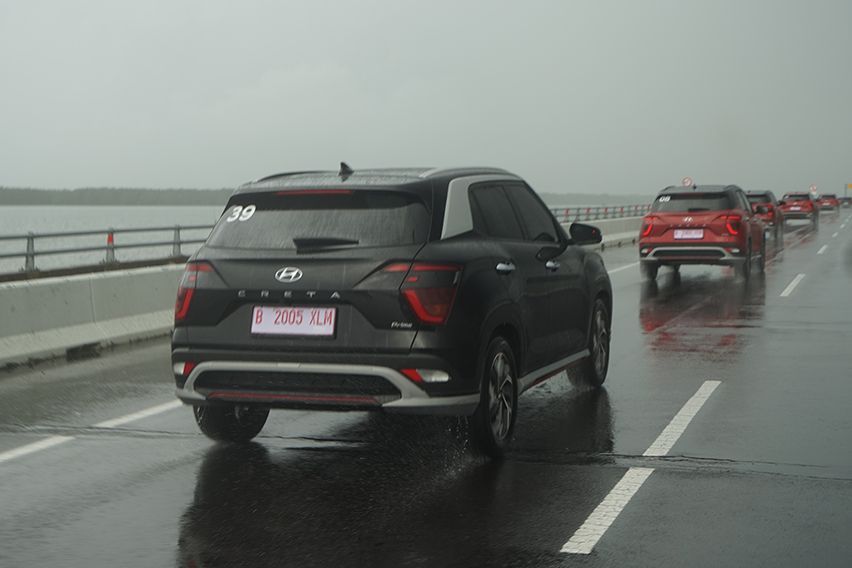
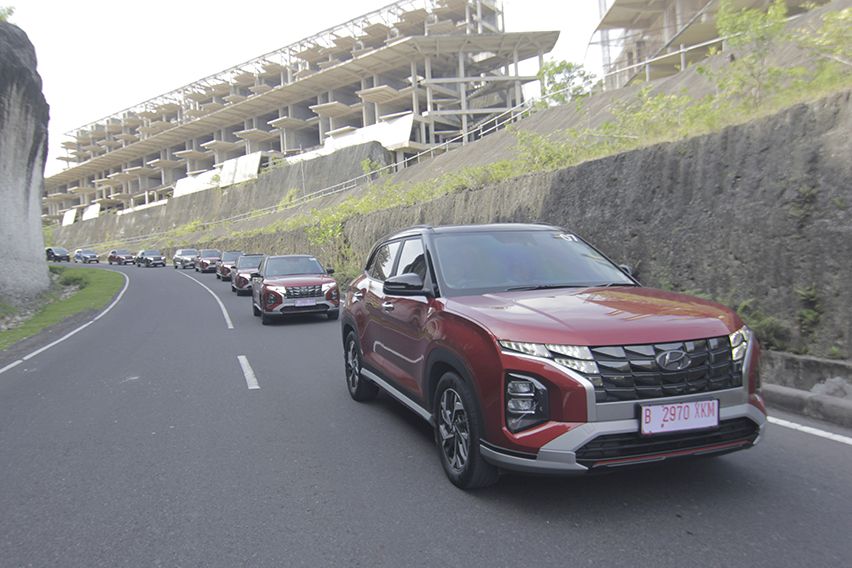
 The experience of driving a Hyundai Creta for the first time still leaves an impression on us. Although the opportunity was short on the island of Bali some time ago, we feel that there are still some details of this latest Hyundai product that deserve to be discussed.

The discussion, especially on the three factors that we think is the most interesting, is used as a reason for potential consumers to look at Creta. Anything? Check out the following:

These are the three factors that make you look at the Hyundai Creta


Hyundai SmartStream 1.5 Engine Sensation

Actually, there is no doubt about this 1.5L engine, because this engine has also been used in its sister brand, KIA Sonet, which has a slick impression. Of course there are different tunings given by Hyundai for road conditions in Indonesia and this is answered by bulldozing the streets of the island of Bali which has many winding and up and down road contours.


On paper, the Smarstream 1,497 cc 16 valve 4-cylinder engine is capable of producing a maximum power of 115 ps at 6,300 rpm with a maximum torque of 143.8 Nm at 4,500 rpm. The energy sensation can be translated well thanks to the installation of the Intelligent Variable Transmission (IVT) transmission. 

The character of Creta's power is actually slow at the bottom, this is felt when the road conditions are congested or stop and go.

But thanks to a fairly sophisticated transmission, to get power when the gas pedal is stepped on, this SmartStream engine does not disappoint. Moreover, the driver is given the convenience of adjusting the transmission gear from the paddle shift behind the wheel and the transmission lever that includes manual mode by shifting to the right in D mode.

Hyundai Creta still includes a driving mode that can be selected via the dial on the center console with the transmission lever. Simply turning the dial, the driver can select ECO, Smart, Sport and Normal driving modes, which will change the color of the meter cluster according to the selected mode. Experiments while driving on the island of Bali use a lot of Sport and Smart modes which provide the sensation of fast gear shifting with fast charging power because you are driving with an escorted group. Apart from driving modes, Creta still offers a traction mode consisting of Snow, Mud, and Sand for suitable road conditions. This is quite an interesting feature for a front-drive SUV.

Hyundai Creta
Hyundai Creta


The Creta digital meter cluster measuring 10.25 inches TFT also provides information on the average fuel used during driving on the island of Bali. During use, the driving style is carried out as normal as possible and even tends to be extravagant thanks to the use of Sport mode and often stepping on the gas pedal. From the information screen, the first day of use with the Airport - Uluwatu - Nusa Dua route, covered a distance of about 200 kilometers and recorded a fuel consumption figure of 10.8 kilometers per liter. For the second day, with the Nusa Dua - Kintamani - Airport route which has uphill and downhill routes, covering a distance of about 250 kilometers, recording fuel consumption of 8.3 kilometers per liter.

It feels a little lacking if the discussion of engine power is not accompanied by handling. Speaking of handling Creta, the suspension feels quite rigid which makes it feel hard on certain road contours. However, this setting feels right for maneuvering in many turns which makes the symptoms of body roll minimal. The steering wheel also feels precise enough to translate the driver's wishes when turning. This makes driving with Creta on the narrow roads of the island of Bali even more confident.

Advanced Features of Hyundai SmartSense

The opportunity to drive a Creta is also the right time to try the Hyundai SmartSense feature that is present in the top variant of Prime. This is a contemporary safety feature that has recently been present in several rival products that are present in the country.

The first feature that is felt is the cruise control mode which comes with the additional features of lane keeping assist and lane following assist while on the Mandara toll road, Bali. This feature feels helpful because Creta automatically directs the vehicle to stay in the lane through visual and audio information. When trying to change lanes without turning on the turn signal, this feature actively corrects the steering wheel to return to the right lane.

The blind spot collision avoidance assist feature is present to warn the driver in the rearview mirror when a vehicle is present from the left and right rear of the vehicle that is usually not visible. Several times this feature is active considering the traffic on the island of Bali is quite dense with the speed of vehicles going hand in hand. This congested road condition has also made the forward collision avoidance assist feature work several times to provide warnings and activate braking. Conditions that require the driver to continue in a series make this feature work to ensure that there is no collision with the vehicle in front.

Another feature that was felt was the hill start assist control which made it easier for the vehicle to stop and drive on an incline without worrying about moving backwards. The presence of a rear view monitor also helps when you want to park the vehicle. The Driver attention warning feature also had the function of giving a warning to the driver to rest after a long journey. Creta still has features such as safe exit warning, rear cross traffic collision avoidance assist, high beam assist, and manual speed limit assist, which unfortunately has not been felt in this experiment.

The presence of Hyundai BlueLink

This is an Internet of Thing (IoT) feature of Creta that connects the settings of several vehicle features via a mobile phone utilizing an internet connection. Hyundai calls it BlueLink which is a Connected Car Service technology with various functions. On the occasion of some time ago, Hyundai showed the function of this feature directly.

Technically, the Creta head unit has a SIM card attached to connect to the internet. Drivers just need to download the Bluelink application on their mobile phones to connect with various features. This BlueLink feature is also included with every purchase of Creta Trend, Style and Prime variants and has been subscribed for the next three years to experience these features.

Some of the features that come from the mobile phone application include remote engine start stop where the driver can start the Creta engine for two to 10 minutes to be ready for use. There is also a remote climate control feature that regulates the cabin temperature to suit the driver's wishes before entering the vehicle.

There is also a remote horn and light control feature that makes it easy to find a location in the parking lot. This feature will turn on the lights and horn for 30 seconds. In addition, there are remote door lock and unlock features as well as find my car which is connected to a map to show the car's position.

In the center of the Creta glass there is an SOS help button to connect to the emergency service center which operates 7 x 24 hours. Just by pressing the button, the Creta owner will be connected to the operator who will ask for emergency needs such as an ambulance, tow truck or the location of the nearest repair shop.

This BlueLink technology also has an auto collision notification feature where the vehicle sends a signal that an accident has occurred and the driver will be immediately contacted by the operator to inquire about conditions and needs during an emergency. The operator contacted through the mic and speaker in the car to confirm the condition of the driver who then contacted the police and medical services to the accident site.

Regarding security from theft, BlueLink also features stolen vehicle notification, stolen vehicle tracking and stolen vehicle immobilization. This feature detects sudden movements in the car such as breaking the glass and forcibly opening the car to then notify the Creta owner. When a car is stolen, for example, BlueLink provides car tracking by providing its location and route. Then through the call center, vehicle owners can request that the car engine be completely turned off so that it cannot be used by thieves.

Furthermore, the BlueLink feature can also set the vehicle's cruising area through geo-fence alerts. This feature provides a warning if the car is driven through a restricted area. There is also a speed alert feature to provide notification that Creta is brought beyond the specified speed. There is also a time fencing alert that regulates when Creta can and cannot be ridden. Valet mode is here to monitor the vehicle when it is handed over to the valet officer via a smartphone.

Regarding the BlueLink feature, many think this feature will not be used too much. However, seeing the full range of features on offer, the presence of this feature cannot be viewed only as a decoration. For Creta owners, this is the first to experience the connectivity technology that will surely become a feature standard in future products.

To experience the most complete features of Creta, prospective consumers must choose the top variant Prime with a price tag of IDR 397.5 million for single tone and IDR 399 million for two tone roof mode. This top variant is only available in IVT transmission options.

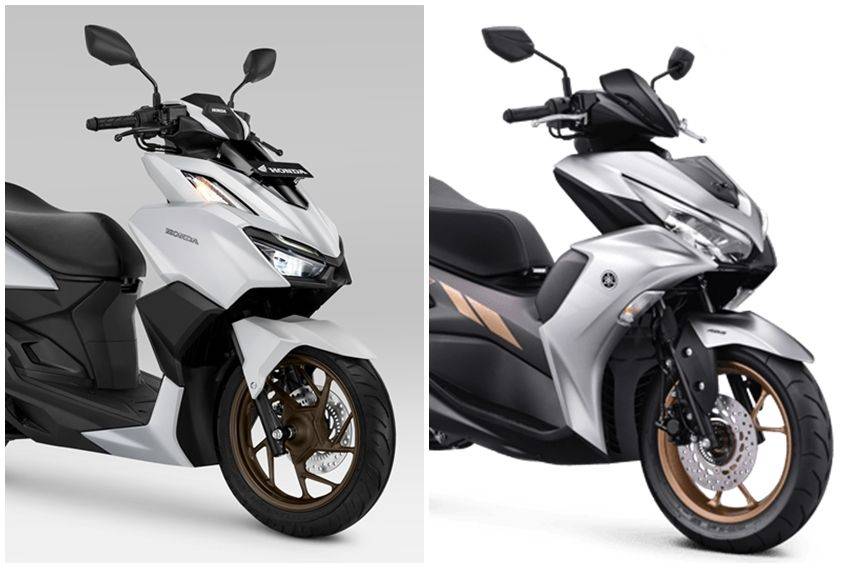
Compare for Honda Vario 160 vs Yamaha Aerox 155, Who is Faster?

 PT Astra Honda Motor (AHM) finally gave birth to the Honda Vario 160 on Wednesday, February 2, 2022. In addition to the appearance and features, the components of the pacemaker have also changed and of course are getting ready to disturb the Yamaha Aerox.

Both the Vario and the Aerox are sure to compete with each other to seize the market niche for the sport automatic class above 150 cc. Consumers will be faced with 2 choices of quality products, which generally customers of this motorbike often compare in terms of engine performance.

Compare for Honda Vario 160 vs Yamaha Aerox 155


Now for those of you who are confused about which one to buy, Oto.com tries to present the facts based on the technical data revealed by each manufacturer between the highest type of Honda Vario 160 ABS and Yamaha Aerox 155 Connected ABS.

Specifications of Honda Vario 150 vs Yamaha Aerox 155

We start first from the Honda Vario 160, in this seventh generation the scooter is equipped with a brand-new engine with an exact 156.9 cc (rounded off to 160 cc). The engine is now configured with 4 valves and has PGM-FI eSP+ technology.

From the technical data presented on the official AHM website, the construction or design of the bore and stroke is the same as the PCX 160, which is 60 mm x 55.5 mm. Even for the amount of engine compression at 12:1. 


However, in terms of power and torque output, the Vario 160 is smaller overall (compared to the PCX 160), which has a maximum power of 15.1 horsepower at 8,500 rpm and peak torque of 13.8 Nm at 7,000 rpm.

When deliberately compared with the old Vario engine which has 13 horsepower at 8,500 rpm and a peak torque of 13.4 Nm at 5,000 rpm, there is an increase in power of 2.15 horsepower and an increase in torque of 0.4 Nm.

While Aerox, referring to the technical data on the official Yamaha Indonesia website, this motorbike is equipped with an exact 155 cc engine and is configured with 4 valves. The bore x stroke mix is at 58 mm x 58.7 mm with an engine compression of 11.6:1.

Where with this design, Yamaha Aerox is able to spit out a maximum power of 15.1 horsepower at 8,000 rpm engine torque and peak torque of 13.9 Nm at 6,500 rpm. The engine is supported by VVA (Variable Valve Actuation) technology whose function is to adjust the valve opening and adjust the fuel supply to the combustion chamber. As a result, the power is evenly distributed throughout the engine speed but still economical in fuel consumption.

Yamaha Aerox Wins on Paper

If you compare the data of each engine, the Yamaha Aerox is arguably slightly superior to the latest Vario. The amount of energy released is the same but is obtained faster at lower engine speeds. As for torque, Aerox also wins or is 0.1 Nm ahead of the Vario with a lower engine speed.

But wait, based on the dimensions and weight, the Vario has the advantage. He has more compact dimensions or has a length of 1,929 mm, a width of 679 mm and a height of 1,088 mm, with a wheelbase of 1,277 mm.

Then for the lowest distance to the ground at 140 mm, then the seat height is 778 mm. In total empty weight (without gasoline, oil, radiator water) specifically for the ABS variant is only 117 kilograms.

While the Yamaha Aerox appear more gambot. It has a length of 1,980 mm, a width of 700 mm, a height of 1,150 mm, and a wheelbase of 1,350 mm. As for the lowest distance to the ground at 143 mm, seat height is 790 mm, and the total weight of the contents (with gasoline, oil, radiator water) is 125 kilograms.

The difference in the weight of each motor which is likely the result of speed on the road will be different. Overall the Vario is lighter and more compact than the Aerox.


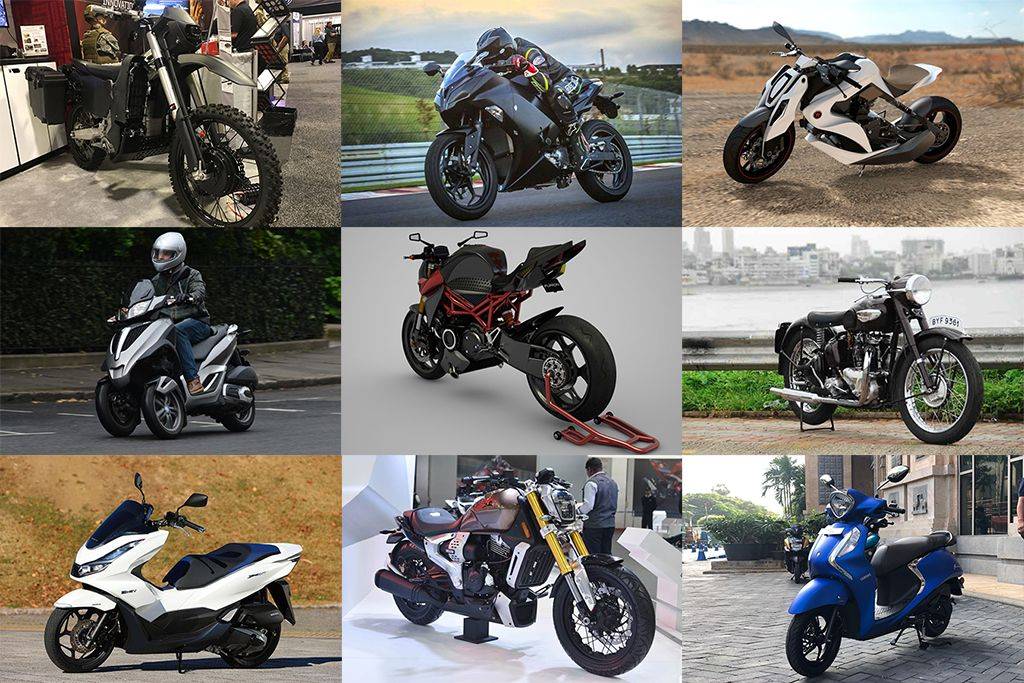
Not Just Yamaha Fazzio, These are Hybrid Motorcycles That Exist in the World

 Fazzio is present as Yamaha Indonesia's new weapon to compete in the domestic market. This retro-looking scooter is arguably sophisticated because it carries hybrid technology which is claimed to improve performance and is also fuel efficient.

Hybrid Motorcycles
Hybrid Motorcycles

In the working mechanism, the hybrid technology in the Yamaha Fazzio is in the lightweight category. The focus is on 2 interrelated power sources, namely power produced from conventional engines and power supplied from Electric Power Assist Start (EPAS). To support these 2 sectors, there are a number of components that support each other, including the Smart Motor Generator (SMG), the battery (battery), and the Starter Generator Control Unit (SGCU).

Under normal conditions the battery or battery functions like a motorbike in general, namely to start the vehicle. After the motor turns on, the battery will immediately be charged again by the SMG component. Then the EPAS sourced from the battery serves to provide additional power in the first 3 seconds when the gas lever is turned. That power is the result of the conventional engine and its EPAS, so the initial acceleration will be more powerful and smoother when on an uphill or riding field.

Then after releasing from the first 3 seconds, the EPAS will automatically turn off and only conventional engines will work. But when the motor stops again and the rider then turns the lever again the EPAS system and the conventional engine will be active again for 3 seconds.

Yamaha Fazzio is not equipped with a Lithium-Ion battery like in a car. Again, the vehicle motion system still requires the conventional engine system. Now besides Yamaha Fazzio, below are motorbikes that are also equipped with hybrid technology.

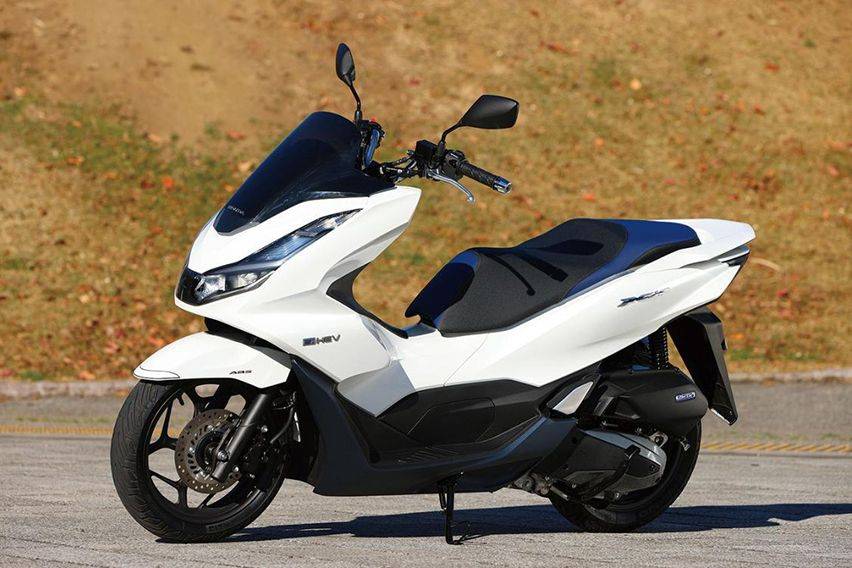
Honda PCX e:HEV

Honda PCX e: HEV is one of the hybrid products hatched by Honda. This motorbike also launched in Indonesia in early February 2021.

Honda PCX e:HEV
Honda PCX e: HEV


Unlike the Fazzio, the PCX e:HEV is equipped with a 50.4 volt 4 ampere Lithium-Ion which is then mated to a 156.9-capacity other than eSP+ engine with a 4-valve SOHC configuration. 

The power in the battery is needed to turn the ACG starter, which functions as a motor assist and adds power and torque when accelerating. It should be noted, the hybrid technology on the PCX e:HEV only focuses on adding power when accelerating by spontaneously turning the gas.

In Indonesia, if you are interested in asking for a Honda PCX e:HEV, then prepare a fund of IDR 43,750,000 OTR Jakarta.

TVS Zeppelin Concept

TVS Zeppelin Concept
TVS Zeppelin

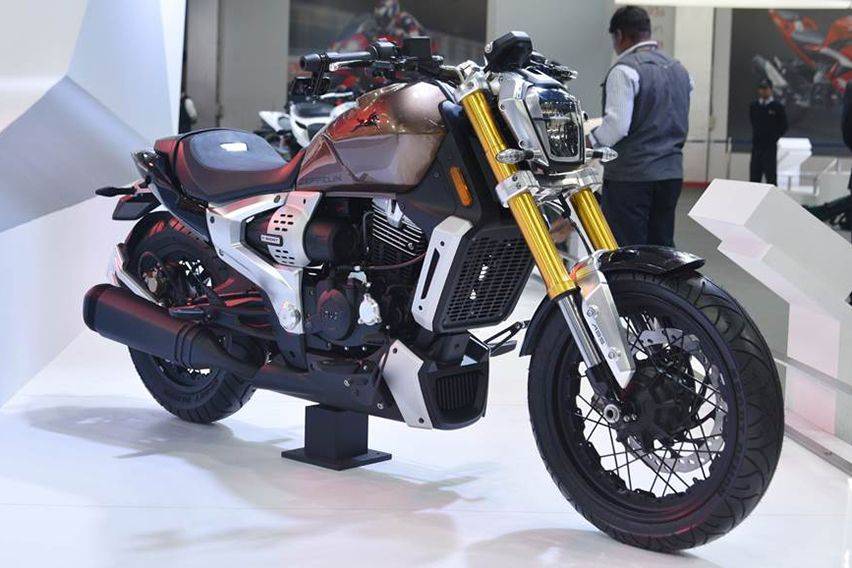
Manufacturers from India, TVS are also no less about two-wheeled innovation. In 2018, at the Indian Auto Expo, they introduced a hybrid concept motorcycle called the Zeppelin Concept.

The motor with the appearance of a big motor is equipped with an electric motor with a specification of 1,200 watts and a conventional 220 cc engine. TVS Zeppelin has gas and electric power functions which aim to reduce gas emissions produced.

Yamaha Gen-Ryu Cruiser Concept

Yamaha Gen-Ryu Cruiser Concept


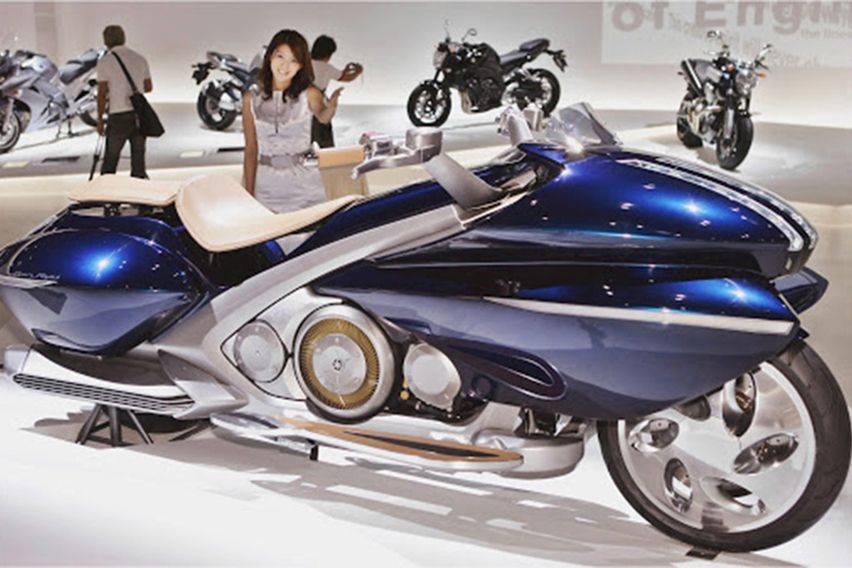
Long before Fazzio, the tuning fork introduced a radical hybrid concept bike. On the floor of the 2015 Tokyo Motor Show, Yamaha showed off its electric motor innovation with its Gen-Ryu Cruiser product.

This motorbike is equipped with a 600 cc conventional engine grafted from the Yamaha R6 sport bike. The engine is then combined with parallel hybrid technology to provide power to the generator to charge the battery data.

Until now there is no information whether the motor will enter the kitchen production and be sold in bulk.

Eko ET-120 Hybrid

Eko ET-120 Hybrid
EKO ET-120


From various sources, this motorbike is claimed to be the first hybrid motorbike in the Indian market. The EKO ET-120 was introduced in December 2009.

The motorbike was launched by Eko Vehicles Pvt. Ltd. electric vehicle maker based in Bengaluru, India. The manufacturer's specifications combine a conventional 70 cc engine with the help of an electric motor. The speed is claimed to be able to go up to 65 km per hour and is sold at a price of Rp. 77 million.

Furion M-1 Concept Hybrid

Furion M-1 Concept Hybrid


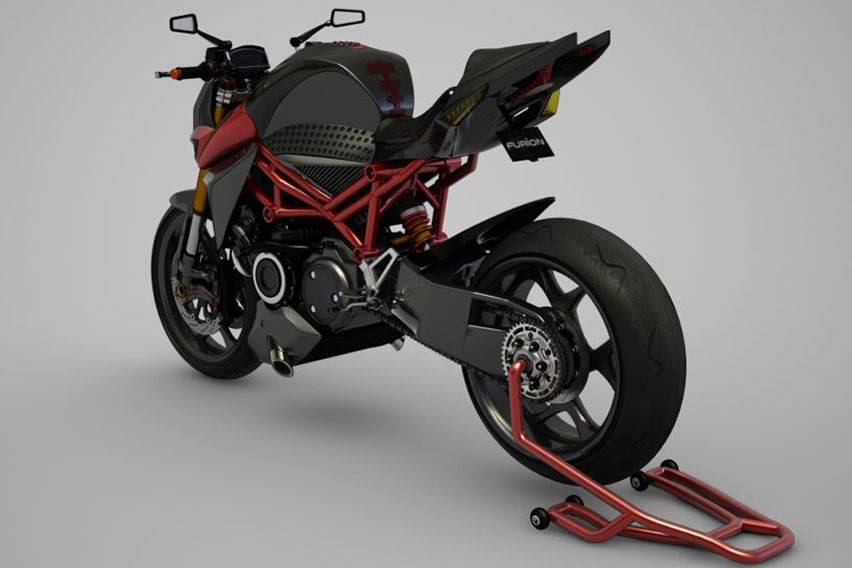
French startup Furion introduced the M-1 Concept Hybrid as its hybrid concept bike a few years ago.

Furion M1 is equipped with a 654 cc rotary engine capable of producing up to 125 horsepower at 9,000 rpm and a peak torque of 105 Nm at 6,000 rpm. The engine is then combined with an electric motor that produces the equivalent of 55 horsepower and 100 Nm of torque and is powered by a Lithium-Sulfur battery.

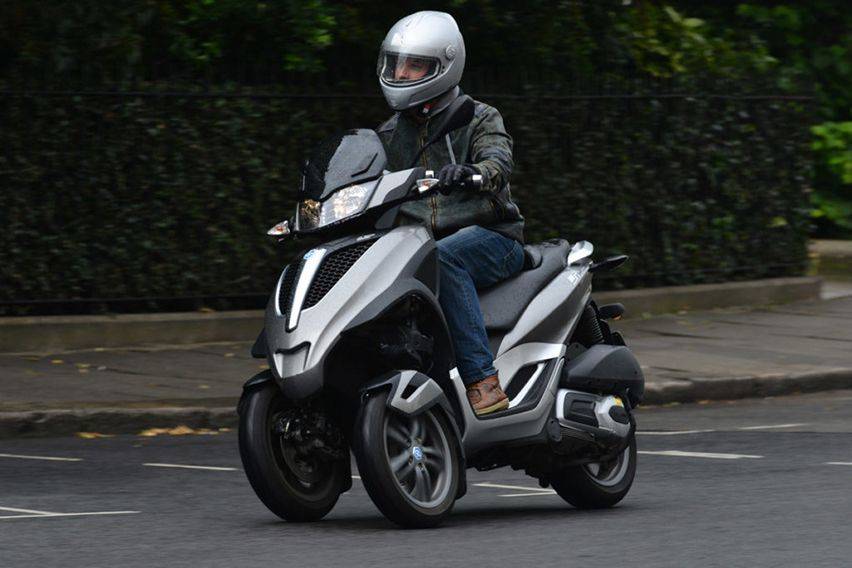
Piaggio MP300ie Hybrid

Piaggio MP300ie Hybrid


Italian motorcycle manufacturer, Piaggio also has hybrid-tech motorcycle ammunition. Even at the launch of this motor is claimed to be the world's first hybrid scooter.

The Piaggio MP3 Hybrid 300ie is powered by a 278 cc petrol engine. The machine then works with an electric motor that can also blend nicely with a CVT automatic transmission.

With this combination, the Piaggio MP3 Hybrid 300ie which has four drive modes is claimed to be able to produce power equivalent to a scooter carrying a 400 cc engine. Oh yes, the Lithium-Ion battery can be charged when the motor is running, thanks to the energy supply from the gasoline engine they are carrying. However, the Piaggio MP3 Hybrid 300ie can also run on electricity only, which makes it a zero emission vehicle.

Igor Chack from Vladivostok, Russia once introduced his hybrid motorcycle, which was named Izh-1. This is a concept motorcycle equipped with an 8,500 cc V-twin engine implanted by an electric motor on the rear wheels.

In addition to offering fierce performance, the Izh-1 Hybrid Motorcycle is also claimed to be fuel efficient, and has excellent exhaust emissions.

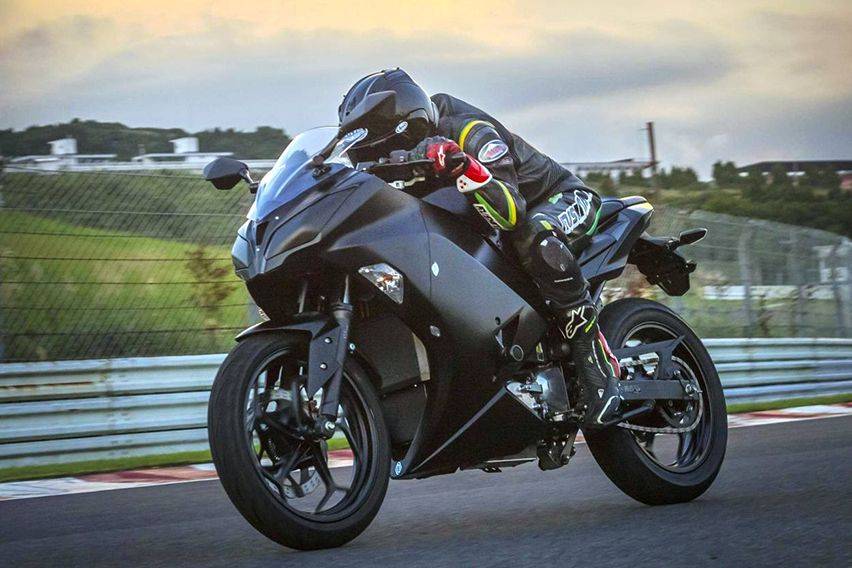
Kawasaki EV Project

Kawasaki EV Endeavor


Kawasaki also looks serious working on electric motorcycles, as evidenced by the 2019 EICMA event in Milan, Italy, they displayed a prototype electric motorcycle called the EV Project. Reportedly this is an electric motor with hybrid technology that will soon be marketed to the public.

Then the manufacturer started teasing by uploading a video of a hybrid motorcycle experiment called Endeavor in Japan. From the design, it has similarities with the Kawasaki Ninja 250 Fi that we know in Indonesia.

Endeavor reportedly will be embedded in a lithium ion battery capable of producing a maximum power of up to 27 horsepower. Unfortunately, the specifications of the battery used are not explained, it's just that Kawasaki claims this motorbike can cover a distance of 150 km in one full battery charge.

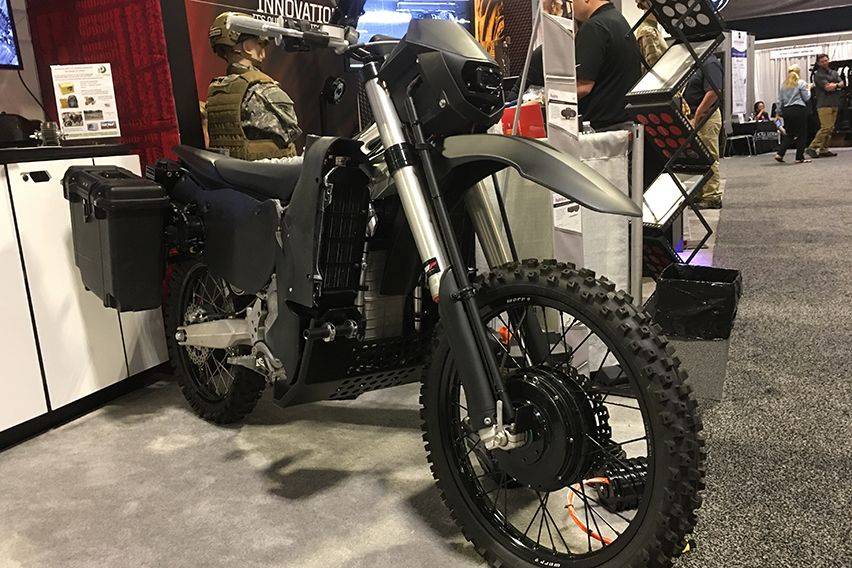
Silent Hawk

Silent Hawk
Silent Hawk

The United States Defense Research Agency (DARPA) has showcased the latest stealth motorcycle powered by a hybrid engine, which is a combination of an electric motor and a conventional olive oil-fueled engine.

The motorbike, which is the result of collaboration with Logos Technologies, has the advantage of exploring off-road rough terrain using electric power. The speed that can be achieved is 88 km per hour. Not only that, this motorbike can also be camouflaged according to environmental conditions around it so that it will not be easily detected.

While the conventional engine allows it to be removed so that it can run completely relying on electric power. When the battery is fully charged, the Silent Hawk can roam as far as 80 km.

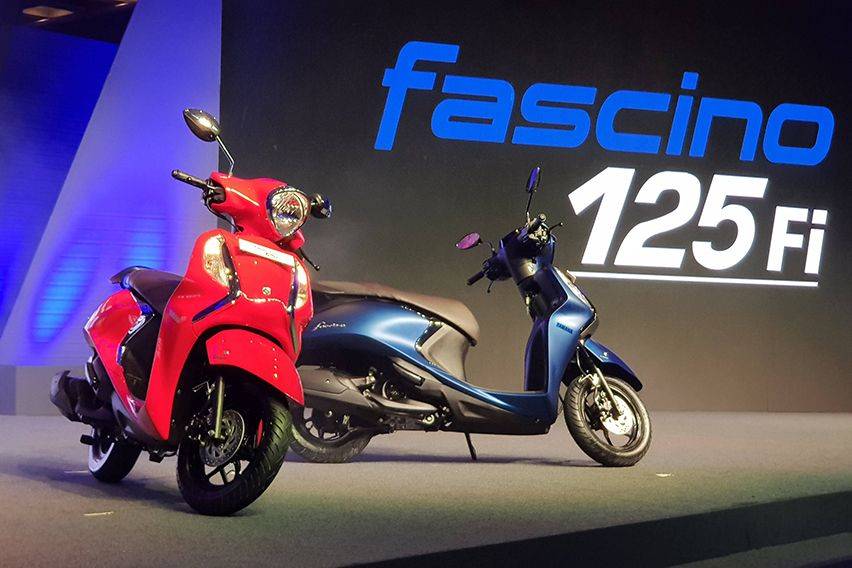
Yamaha Fascino

Yamaha Fascino 125
Yamaha Fascino 125


The last one is Yamaha Fascino. This hybrid motorcycle launched for the Indian market in 2021. To note, in terms of engine and hybrid technology identical to Fazzio in Indonesia.

He is equipped with a 125 cc engine, SOHC, liquid cooling, and injection foggy. On paper he is able to throw a maximum power of 8.2 horsepower and a peak torque of about 10.3 Nm.

Because it is equipped with a hybrid, of course it is also equipped with a power train that can improve its performance. Yamaha uses the Smart Motor Generator (SMG) system, this component functions as an electric motor that will provide additional power supply and power assist in the motor.

With the use of SMG, the manufacturer claims that the efficiency of the material can be more economical, which is also around 16 percent. Now this feature will maximize fuel consumption when driving in traffic jams and stop and go

Toyota Corolla Altis Sedan Gets Refreshment, Becomes More Sophisticated

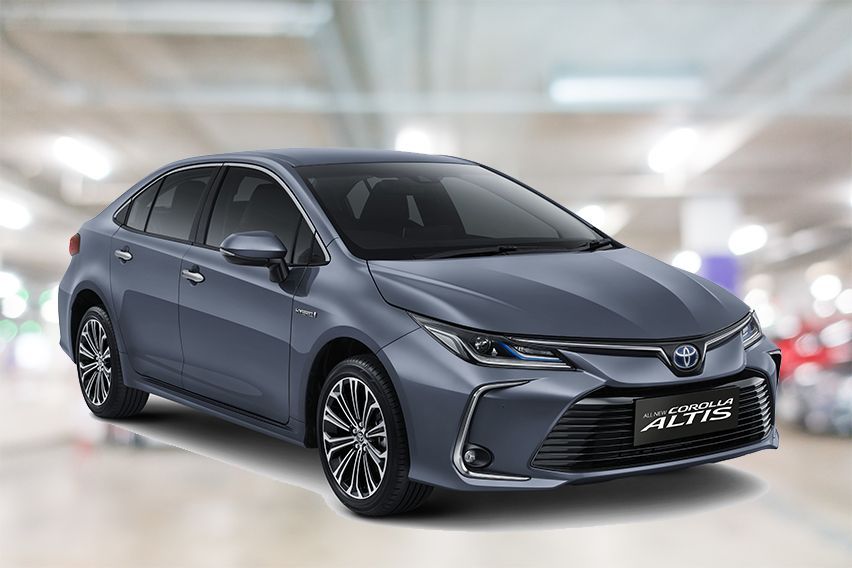
 After presenting an update to the SUV segment, PT Toyota Astra Motor (TAM) gave a surprise in early February 2022 by presenting the latest model from the sedan segment. 

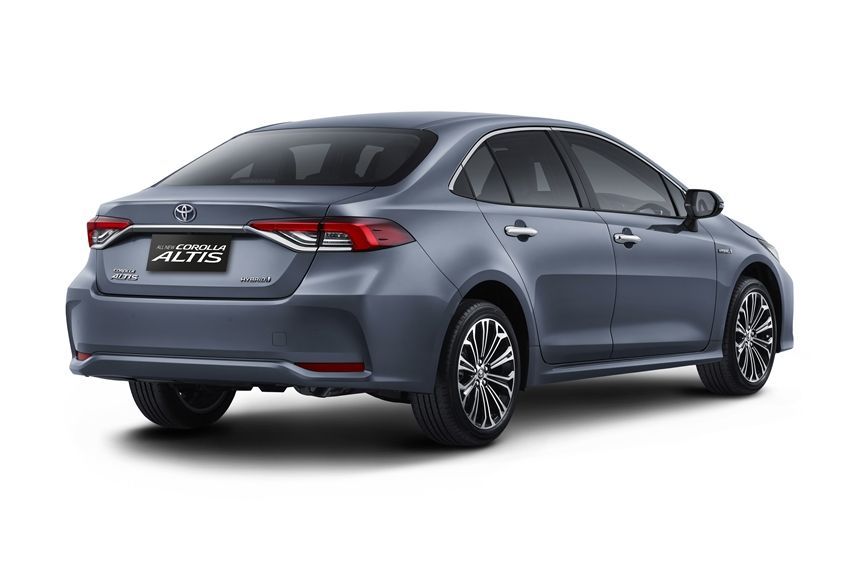
The model that gets a refresh is the New Corolla Altis which comes with a petrol engine variant and hybrid technology as well as a refresh on some of the features in it.

Toyota Corolla Altis Sedan

Susumu Matsuda, President Director of PT TAM said that his party presented the New Corolla Altis as a tangible manifestation of Toyota's commitment to presenting Ever Better Car products based on the spirit of Let's Go Beyond. The presence of the latest Altis is an appreciation to consumers in the sedan segment, especially now that it comes with two engine options, namely gasoline and hybrid technology.

"In addition, we are also equipped with various new, more advanced features to support driving safety and comfort. And supported by mobility services that are in accordance with customer needs to increasingly provide a pleasant and personal mobility experience,"

Some of the new features given to the Corolla Altis include T Intouch. This is a telematics feature that can connect cars with the mToyota application so that vehicle owners can connect to all Toyota mobility services. The Intouch T in the New Corolla Altis offers customers daily life digital connectivity experiences and integrated solutions and benefits.

First, there is the Find My Car feature which can accurately determine the position of the parked vehicle, so as to provide a sense of security and comfort for customers. Then, there is a Geofencing feature that can provide a warning when the vehicle is outside the official zone to ensure customer safety at all times.

Toyota Corolla Altis Sedan

Still from the T Intouch feature, there is an E-Care (Maintenance) feature that will help provide warnings for vehicle maintenance on a regular basis so that the customer's vehicle is always in its best performance. There is also an Inquiry & Support Center feature that offers direct assistance from the Toyota Call Center to help resolve customer vehicle problems. It is also equipped with a Road Assistance feature that provides an SOS button when a customer has an accident, and can directly connect our customers with the Toyota call center to be directed to the Emergency Road Assistance (ERA) provider for faster assistance.

This sedan product which has the tagline "Prestige Elevated" now looks modern with several entertainment features equipped with smartphone connectivity on the head unit. In the Hybrid variant, it is now equipped with a wireless charger in the center console.

Specifically, the Corolla Altis Hybrid now gets additional features of Toyota Safety Sense (TSS) gen 2. The previous model was equipped with four safety features, namely a pre-collision system, lane departure alert, automatic high beam and Dynamic Radar Cruise Control features. Now the safety features of Toyota Safety Sense 2 on the New Corolla Altis have become more sophisticated. The system on the Dynamic Radar Cruise Control (DRCC) feature is designed to function at full speed of 0 km/h – 180 km/h. Its radar sensor can detect vehicles up to 120 m in front and is able to maintain a distance with the vehicle in front automatically.

The TSS 2 feature on the New Corolla also gets the latest feature, namely Lane Tracing Assist (LTA) which can help the driver keep the car on a clearly marked lane, and first avoid entering unwanted lanes. The system also helps reduce driver fatigue and supports safe driving, especially when in traffic jams, or long trips on the highway.

Regarding after-sales service, customers don't need to worry about the cost of periodic maintenance when buying it because they will automatically benefit from the Free Periodic Service Fee (Service Fee and Spare Parts) program for up to the 6th service (maximum 4 years / 50,000 KM, whichever is more). before). The benefits of this program can be enjoyed at all authorized Toyota dealers in Indonesia.

"We are grateful that the various safety and convenience features that we continue to develop and complete from time to time can meet the expectations and mobility needs of customers in the national automotive market. We hope that with the presence of the New Corolla Altis, it will not only provide convenience for people's mobility, but also can participate in increasing the sedan market and be part of our and our customers' efforts to reduce CO2 emissions in the future," said Vice President Director of PT Toyota Astra Motor, Henry Tanoto.

Based on the latest price list on Toyota's website, the New Corolla Altis is offered in three variants. The first variant is the G AT with a price tag of Rp. 438.3 million, the second variant is the VA/T at a price of Rp. 457.6 million and the A/T hybrid variant is offered at a price of Rp. 506.3 million.

There is no change in appearance both on the exterior and interior. Regarding the engine, the petrol variant uses a 2ZR-FE 4-cylinder DOHC Dual VVT-i 1,789 cc engine with 140 ps of power at 6,400 rpm and 17 Nm of torque at 4,000 rpm. As for the hybrid, it uses a 1,798 cc 2ZR-FXE engine with a hybrid system that produces 98 ps of power at 5,200 rpm and 141 Nm of torque at 4,000 rpm.

Toyota launched the first Corolla in 1966. For more than 50 years, the Corolla has been present in various forms of vehicles to meet the needs of customers around the world and in various eras including sedans, hatchbacks, and wagons. The Toyota Corolla has been sold in more than 150 countries and is one of the most popular vehicles in the world. In Indonesia alone, the Toyota Corolla is the market leader in its segment with an average market share of 68%.

Developed with the Toyota New Global Architecture (TNGA) platform, the performance of the 12th generation Corolla is even more fun to drive as a sedan. The presence of the Hybrid variant on the Corolla Altis also demonstrates Toyota's commitment to supporting the Government's program in the development of electrified vehicles in Indonesia.

MotoGP 2022: Ahead of Pre-Season Test at Mandalika, Repsol Honda Releases New Team and RC213V

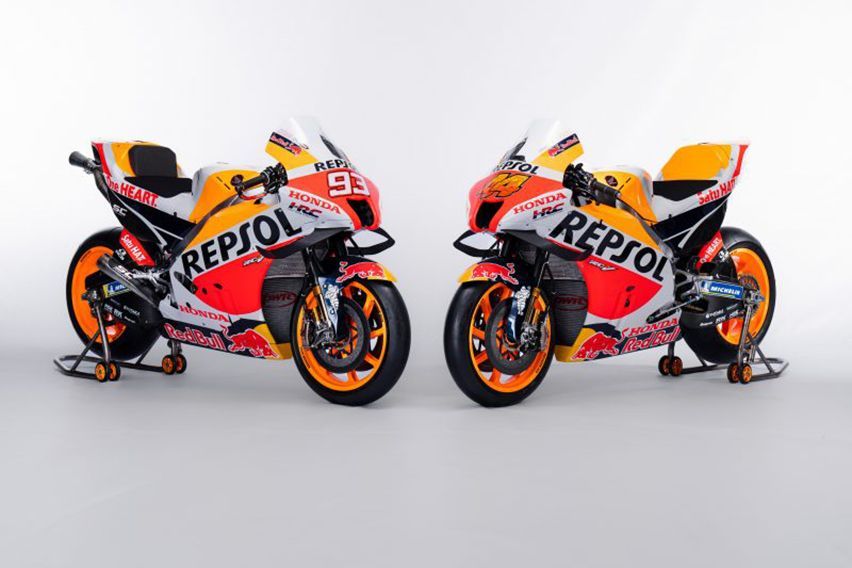
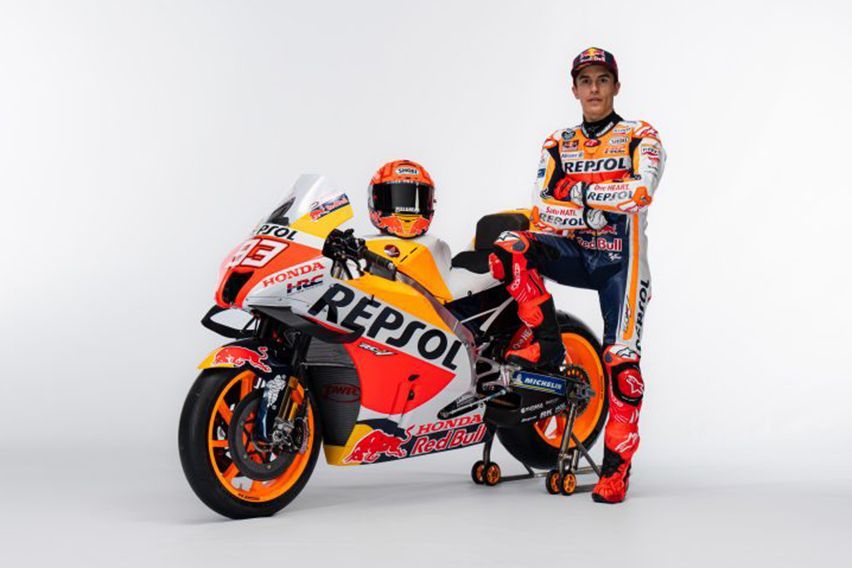
 Repsol Honda officially introduced the team and the bike used for the 2022 MotoGP. This was done ahead of the test at the Mandalika Circuit this weekend. 

The launch itself was carried out online on Tuesday (8/2) at 18.00 WIB. This team is still staffed by two racers from Spain, Marc Marquez and Pol Espargaro. While the 2022 model RC213V is claimed to be almost 100 percent new. Different in terms of shape, character and livery attached.

The 2022 season begins with new motivation for the Repsol Honda Team. Despite experiencing difficulties both on and off the track during 2021, there have been moments of extraordinary celebration in the last 12 months. That includes pole position, three wins and a total of five podiums.

epsol Honda Releases New Team and RC213V


Marc Marquez in his statement said that the target in 2022 is to try to reclaim the MotoGP world title. Marc said that he was ready to work hard in the pre-season test and of course he was ready to fight for the podium from the early series.

Full Team


Yes, 'The Baby Alien' has fully recovered from diplopia. In the last two seasons, injuries have not eliminated his hunger for victory. He is also determined to fight for the title in his tenth season with the Repsol Honda Team. Since moving up to the premier class in 2013, Marquez has won six MotoGP world championship titles. Won 59 races, finished on the podium 99 times and took pole position on 62 occasions, all with the Repsol Honda Team.

“Ten seasons already in MotoGP and ten seasons in the Repsol Honda Team is a dream. I mean it's something I couldn't have imagined in my best dreams, of course also during these ten years have achieved very good results. So this is something special and I want to enjoy it," said Marquez.

Pol Espargaro, who is entering his second year with the Repsol Honda Team, has learned a lot. Pole position at the British GP and achieving his best finish in the premier class to date with second place at the Emilia Romagna GP, it is steady and consistent progress and growth.

Repsol Honda Team
Repsol Honda

In a video presentation uploaded on Honda's official website, Pol wants to continue to improve and fight within and among the leading racers. “I approach this season with more experience, which in the end is one of the most important things in MotoGP. We have only five days of testing and already knowing how the team is, how the bike is, what I will find there is already something very important, very big."

After not winning in the last two seasons, Honda is determined to do better this season. Moreover, this year marks 40 years of their participation in premier class races. To realize the intention to win MotoGP again, the manufacturer made engine repairs. Not only that, the chassis design and aerodynamics have also been improved.

Livery


Entering the new season, the RC213V riding by Marc Marquez and Pol Espargaro still uses the iconic livery but with a few refinements. The graphics are not much different from last season, but now they are mostly white. Even so, the orange and red colors still dominate. The placement of the Repsol and Red Bull logos as sponsors is still the same.

"Not only the outside appearance, the inside of the engine is also different. I think this is the biggest change we are seeing during the current regulatory period. In 2022 we take the concept of 'break out of our shell' to improve performance, so the whole engine is completely different from the last two years. We changed the engine, chassis and electronics with this concept," said Director of Honda Racing Corporation (HRC), Tetsuhiro Kuwata.

Successfully conducting the test in Sepang, Malaysia, now Marc Marquez and Pol Espargaro are preparing for a new challenge at the Mandalika Circuit in Indonesia with the Repsol Honda Team. The two riders have three days of practice before the 2022 MotoGP world championship kicks off at the Losail International Circuit, Qatar on Sunday, 06 March.