

The Ultimate Guide to 3-Wheel Electric Vehicles (2026)
Author: Azka — Automotive Enthusiast
Introduction: Why 3-Wheel Electric Vehicles Are Trending in the USA
AutoReviewUS - The automotive industry is rapidly evolving — and one of the most exciting trends reshaping the future of personal transportation is the 3-wheel electric vehicle (3W EV). Combining efficiency, style, affordability, and eco-friendly performance, these vehicles are finding a passionate following in urban and suburban markets.
In this comprehensive deep-dive, we explore:
How 3-wheel electric vehicles work
Benefits & limitations
Best models for 2026 U.S. buyers
A comparison table
Real-world considerations and risks
Actionable calls-to-action (CTA): “Compare investment platforms” and “Check current rates”

What Is a 3-Wheel Electric Vehicle?
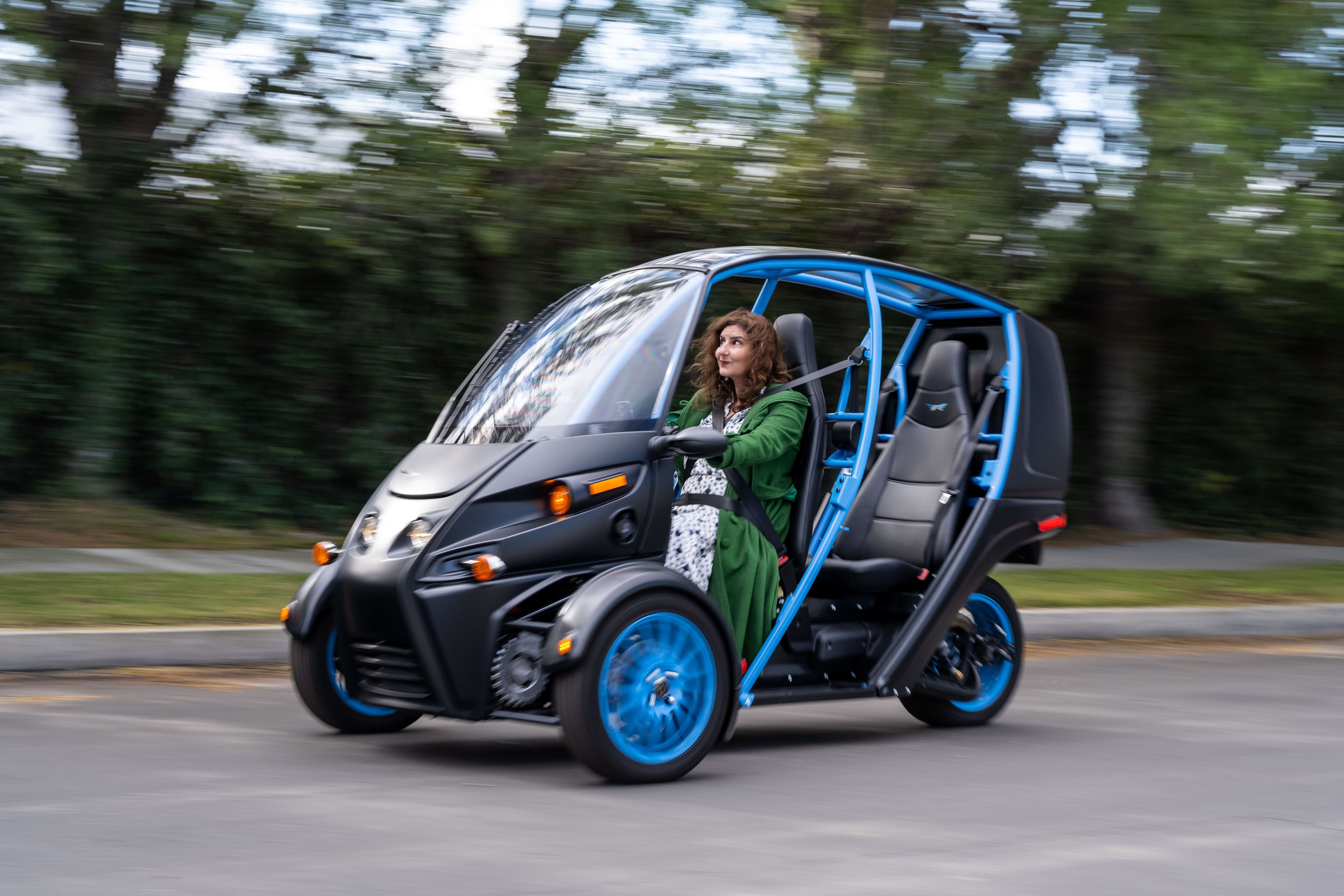
A 3-wheel electric vehicle is a battery-powered vehicle with three wheels — typically two at the front and one at the rear (or vice-versa). Unlike traditional cars, these vehicles blend the agility of motorcycles with the stability and cargo capacity of small cars.
These electric 3-wheelers are part of the larger shift toward EV adoption, supported by federal and state incentives in the United States:
➡️ U.S. Department of Energy – EV Tax Credits & Incentives: https://www.energy.gov/eere/vehicles/electric-vehicles
How They Work
Electric Motor(s): Provide propulsion
Battery Pack: Rechargeable lithium-ion cells
Regenerative Braking: Recycles kinetic energy
Lightweight frame: Improves efficiency and range
Read also :
Navigating the US Automotive Market: A Startup Owner’s Guide
Essential Tips for Automotive Startups: How to Thrive in the US Market
Top Strategies for Launching a Successful Automotive Startup in the USA (2026 Guide)
Hagerty Classic Car Insurance in the USA: The Ultimate Guide for Enthusiasts
Best Car Insurance Companies in the US (2026) — Ultimate Comprehensive Guide
Why 3-Wheel Electric Vehicles Matter in 2026
1. Improved Urban Mobility
City traffic challenges demand nimble, efficient alternatives to traditional cars.
2. Lower Total Cost of Ownership
Fewer moving parts → lower maintenance. Electricity costs less than gas — especially in EV-friendly states like California & Oregon.
3. Eco-Conscious Design
Zero tailpipe emissions help meet state and federal climate goals. The EPA offers emissions data here:
➡️ EPA Green Vehicle Guide: https://www.epa.gov/greenvehicles
4. Federal EV Incentives
Up to $7,500 federal tax credit for eligible EV purchases. More details from the Internal Revenue Service:
➡️ IRS EV Tax Credit Info: https://www.irs.gov/credits-deductions

Top 3-Wheel Electric Vehicles (USA Market)
| Model | Type | Range (mi) | Price (Est.) | Best For |
|---|---|---|---|---|
| Arcimoto FUV | Electric 3-Wheel | ~130 | $17,900 | Urban Commuters |
| Elio Motors EV Concept | Front Wheel EV | ~100 | $15,000* | Budget Buyers |
| Custom e-Conversion Kits | Can-Am Ryker | Varies | $3,000-$8,000 | DIY Enthusiasts |
| Polaris Slingshot EV Concept | Sport 3-Wheel | ~110 | $20,000* | Performance Seekers |
*Prices subject to change. Always Check Current Rates with dealers or official brand sites.
Which Is Right for You?
👉 Arcimoto FUV
✔ Best for daily commuting
✔ EPA Clean Air Vehicle compliant
✔ Built-in storage
💡 Ideal if you want a purpose-built, electric 3-wheeler with a strong community in the U.S.
👉 Elio Motors EV Concept
✔ Low-entry price potential
✔ Compact design
⚠️ Still in development — verify availability before purchase.
👉 DIY e-Conversion (Can-Am Ryker)
✔ Customizable performance
✔ Enthusiast-friendly
⚠️ Requires mechanical know-how. Not a typical dealer financed purchase.
Pros & Cons: 3-Wheel EVs at a Glance
Pros
Lower ongoing energy costs
Reduced carbon footprint
Possible tax incentives
Easier parking & maneuverability
Cons
Limited storage vs full electric cars
Weather exposure (open-cabin models)
Limited safety ratings compared with 4-wheel EVs
Safety, Regulations & Government Standards
Because these vehicles don’t fall neatly into standard car or motorcycle categories, safety standards vary:
📌 National Highway Traffic Safety Administration (NHTSA) – regulatory definitions:
➡️ https://www.nhtsa.gov
📌 Federal EV Charging Infrastructure Policies – U.S. Department of Transportation:
➡️ https://www.transportation.gov/EV
Before purchase, always confirm compliance with your state DMV.
How to Finance & Tax Credits
Federal Tax Credit
Many 3-wheel EVs qualify for partial EV tax credits. IRS Info:
➡️ https://www.irs.gov/credits-deductions
State Incentives
California, New York, and Colorado have additional rebates:
➡️ Database of State Incentives for Renewables & Efficiency (DSIRE)
https://www.dsireusa.org
Risk Disclaimer
Electric vehicles and conversion kits inherently involve financial and safety risks. This article is for informational purposes only and does not constitute financial advice, investment advice, or an endorsement of any particular product or service. Always consult qualified professionals — automotive technicians, tax advisors, and legal experts — before making significant purchase or investment decisions.
Calls to Action (CTA)
🔎 Compare investment platforms that support EV manufacturers & clean energy ETFs
➡️ Examples: Major brokerages, specialty ESG platforms, and retirement accounts with ESG tilt
⚡ Check Current Rates for 3-Wheel EV models and financing plans
➡️ Visit official dealer sites and use car-buying tools like TrueCar or Edmunds to get live pricing