

Ultimate U.S. Guide to Electric Vehicle Rebates 2026
Federal & State Incentives, Savings Tables, Examples, and How Much You Can Really Save
AutoReviewUS - Electric vehicles (EVs) are no longer a niche market — they’re increasingly mainstream in the United States. One of the biggest reasons? Cash rebates, tax credits, utility incentives, and state programs that significantly reduce upfront costs. This comprehensive 2026 guide breaks down how EV rebates work, where to find them, and how much you can save.
👉 Includes direct official sources, comparison tables, a “Which Is Right For You?” section, and actions you can take now.

🔎 What Are Electric Vehicle Rebates?
Electric vehicle rebates are financial incentives offered by government agencies, utilities, or private organizations that lower the purchase or lease cost of plug-in electric vehicles (EVs), including:
Battery Electric Vehicles (BEVs)
Plug-In Hybrid Electric Vehicles (PHEVs)
Used EVs (sometimes)
These rebates are often tax credits or point-of-sale discounts that cut upfront costs and make EVs competitive with gas-powered cars.
💡 In 2024, new rules allowed eligible buyers to receive federal EV tax credits instantly at the dealer, up to $7,500 for new EVs and $4,000 for used EVs. Dealers apply these directly at sale, dramatically lowering the purchase price. (AP News)
📌 Federal incentives historically stem from the U.S. Internal Revenue Service (IRS) and U.S. Department of Energy (DOE). See the latest official IRS details here:
👉 IRS Electric Vehicle Credits – irs.gov (official federal guidance).
💰 Federal EV Tax Credit – 2026 Overview
| Incentive Type | Amount | Applies To | Key Requirement |
|---|---|---|---|
| New EV Tax Credit | Up to $7,500 | New EV & PHEVs | IRS eligibility + vehicle specs |
| Used EV Credit | Up to $4,000 | Used eligible EVs | Price cap & income limits |
| EV Charger Credit | 30% up to $1,000 | Home EV charging equipment | See IRS §30C |
🔗 Official IRS guidance: irs.gov/credits-deductions/electric-vehicles-plug-in-hybrid-vehicles-credit-irc-30-and-30D
👉 IMPORTANT: Federal credits have complicated eligibility (income limits, MSRP caps, domestic manufacturing rules). Always check the current IRS page before purchase.
📊 State & Local EV Rebates — Comparison Table (2026)
Note: State incentives vary, change often, and may require applications or income limits.
| State | Type of Incentive | Approximate Amount | Notes |
|---|---|---|---|
| California | Clean Vehicle Rebate | $1,000 – $7,500+ | Income-based bonuses available |
| Colorado | State Tax Credit | Up to $5,000 | Stackable with federal rebate |
| New York | Drive Clean Rebate | $2,000 | No income limits |
| Massachusetts | MOR-EV Rebate | $3,500 | MSRP caps apply |
| New Jersey | Charge Up NJ | Up to $4,000 | Sales tax exemption also possible |
| Oregon | Clean Vehicle Rebate | Up to $5,000 | Extra for low income |
| Delaware | EV Cash Rebate | ~$2,500 | May include charger rebates |
| Washington | Sales Tax Break | Varies | Up to $20,000 exempt |
👉 For a full nationwide list, visit the official U.S. DOE Alternative Fuels Data Center (AFDC) Incentives Database: afdc.energy.gov/laws.
Read also :
Navigating the US Automotive Market: A Startup Owner’s Guide
Essential Tips for Automotive Startups: How to Thrive in the US Market
Top Strategies for Launching a Successful Automotive Startup in the USA (2026 Guide)
Hagerty Classic Car Insurance in the USA: The Ultimate Guide for Enthusiasts
Best Car Insurance Companies in the US (2026) — Ultimate Comprehensive Guide
📌 Example EV Product Picks (USA Audience)
Here’s what potential buyers might consider now — along with typical rebate possibilities:

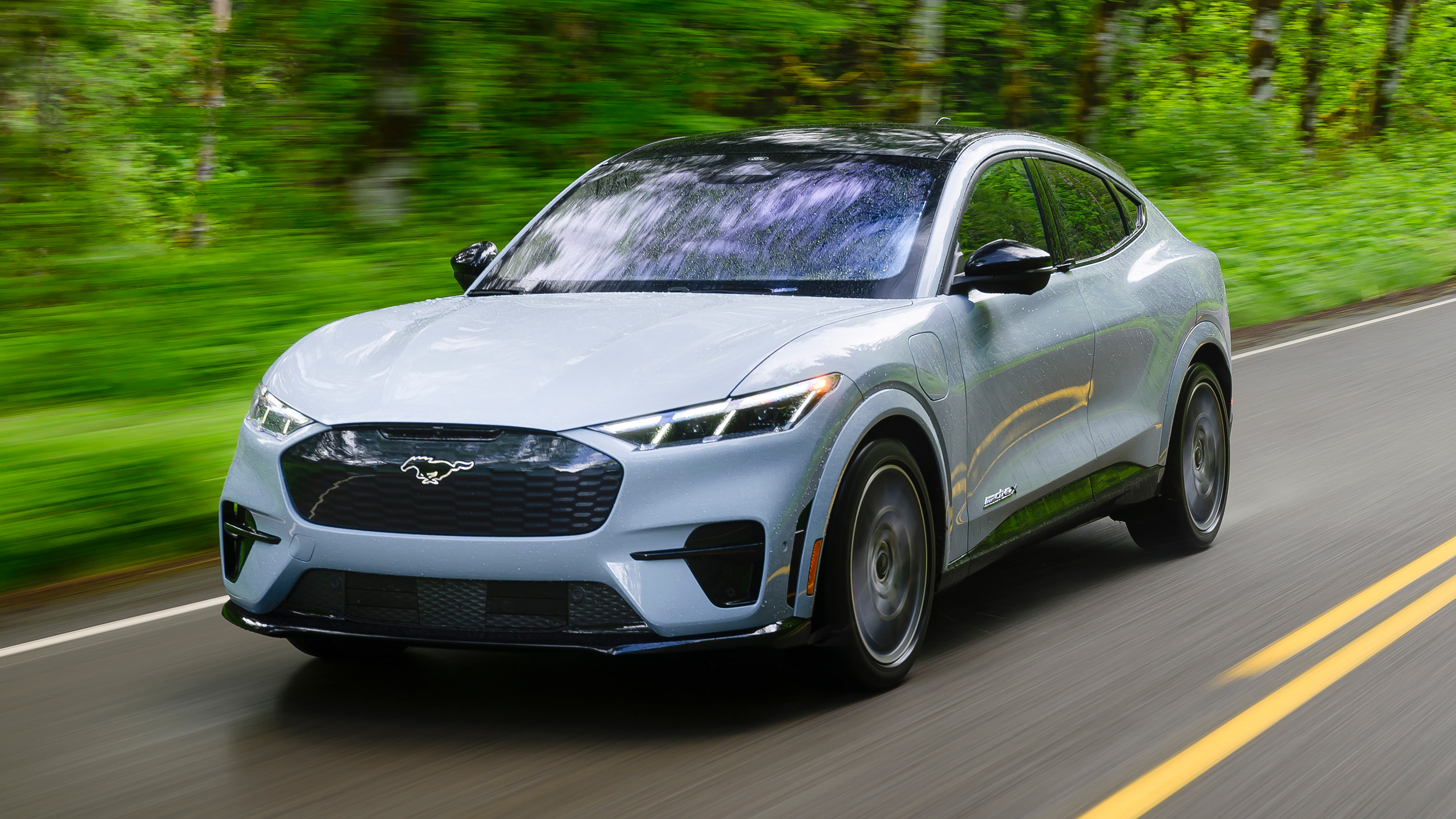
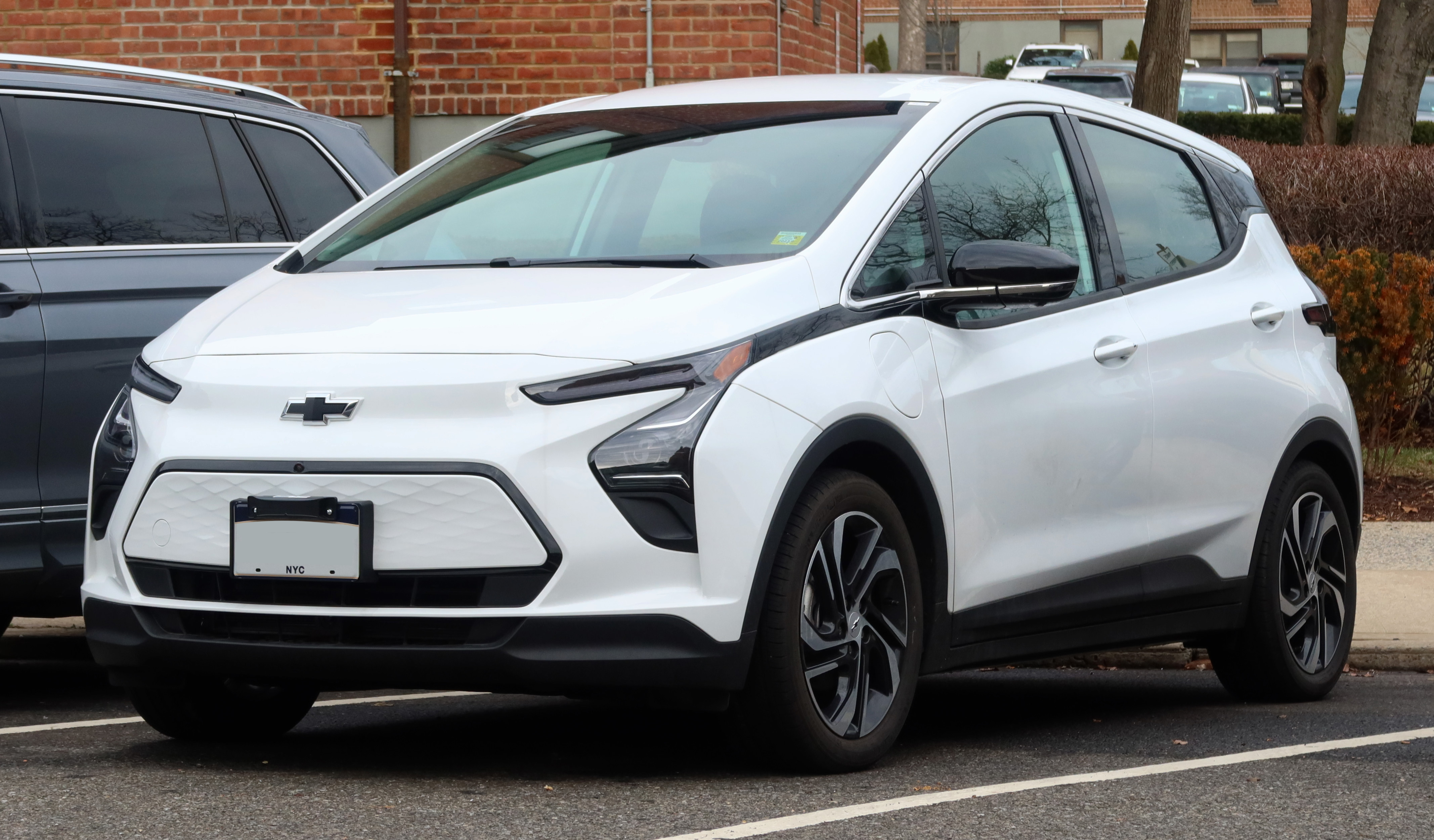
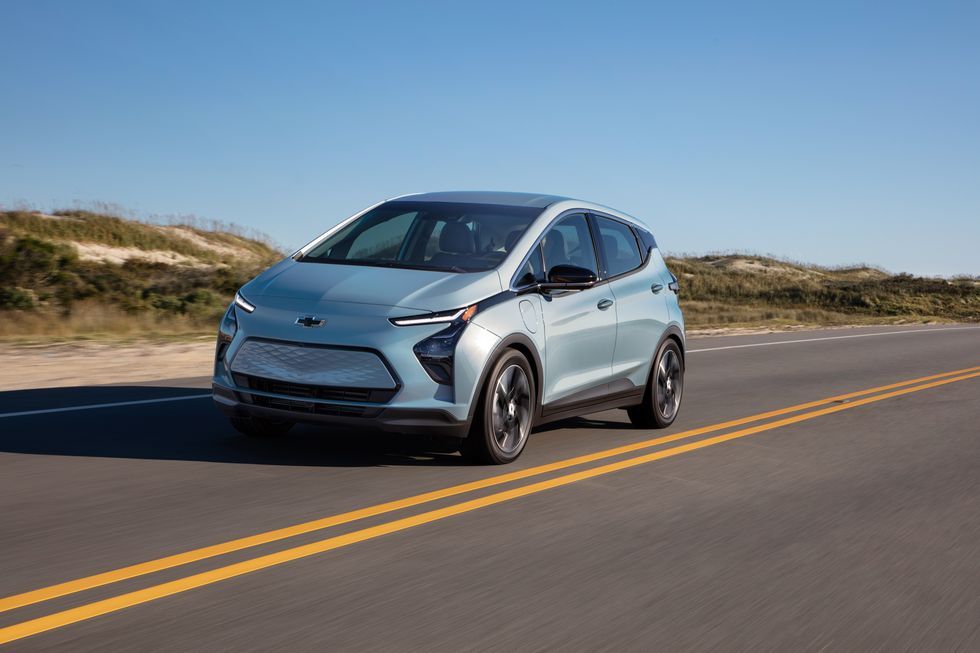
Tesla Model 3 — popular BEV with strong efficiency (rebate eligibility may vary).
Ford Mustang Mach-E — strong SUV choice with good range.
Chevrolet Bolt EV — budget-friendly BEV with solid rebates.
Hyundai Ioniq 5 — modern design, excellent driving range.
💡 Tip: Manufacturers and dealers often show rebates at point of sale — but always verify eligibility before purchase.
🚘 How Much Could You Save?
Scenario A — California Buyer (New EV)
New EV MSRP: $45,000
Federal EV Credit: Up to $7,500
California CVRP: $4,500+ (low-income bonus possible)
Total Potential Savings: $12,000+
👉 Final cost after incentives ≈ $33,000
Scenario B — Colorado Buyer (New EV)
New EV MSRP: $50,000
Federal EV Credit: $7,500
Colorado State Credit: $5,000
Utility Rebates: $500–$1,500
Total Potential Savings: $13,000+
👉 Final cost after incentives ≈ $37,000
Scenario C — Texas Buyer (Limited State Incentives)
New EV MSRP: $48,000
Federal EV Credit: $7,500
State Incentives: None (TX state has limited rebates)
Utility Rebates: ~$500
Total Potential Savings: ~$8,000
👉 Final cost after incentives ≈ $40,000
Tip: Use the official DOE incentive finder to calculate your exact incentives by ZIP code.
👉 EV Incentive Finder — electricniverse.com/incentives/finder (updated weekly). (electricniverse.com)
🔍 Which Is Right For You?
To decide which rebates apply:
🛠 New vs Used EV
New EV: Maximum federal rebate ($7,500) possible — higher savings.
Used EV: Often eligible for used EV rebates (up to $4,000) in both federal and some state programs.
👉 Best choice if:
You want the latest tech → New EV
You’re budget-conscious and want cheap EV ownership → Used EV
💼 Income & Eligibility
Most states and federal rules include income limits — check official IRS or state websites before assuming you qualify.
⚡ Plug-In Hybrid vs Pure EV
Pure EVs often fetch larger rebates (state + federal)
Plug-in hybrids may still qualify but often receive smaller amounts.
⚠️ Risk & Important Disclaimers
PLEASE READ CAREFULLY:
Incentives change frequently. Federal and state rebate amounts can change yearly or based on legislative action.
Eligibility depends on rules and income limits. If you misreport, you may have to repay credits.
Dealer practices vary. Some dealers advertise “rebated price” that assumes you qualify — but if you don’t, you could owe the difference.
Not all vehicles qualify. Eligibility often requires U.S. assembly and price caps (especially for federal credits).
Always consult the official IRS and state government resources before financial decisions.
This article is educational and not tax or financial advice.
🎯 Next Steps — Compare & Save
Ready to maximize your savings?
👉 Compare EV Incentive Platforms → Find personalized incentives by state & vehicle type.
👉 Check Current Rates & Credits → Use official tools like:
U.S. DOE Incentives Database — afdc.energy.gov/laws
IRS EV Credit Details — irs.gov/credits-deductions/electric-vehicles-plug-in-hybrid-vehicles-credit-irc-30-and-30D
Local utility websites for charger & tax rebates.
About the Author
David Mulyana is the founder and editor of AutoReviewUS, an independent automotive publication dedicated to delivering reliable reviews, industry news, buying guides, and expert insights. His work focuses on cars, motorcycles, electric vehicles (EVs), automotive technology, maintenance, and market trends in the United States and around the world.
With a strong passion for the automotive industry and digital publishing, David creates content that helps readers make informed decisions when buying, maintaining, or comparing vehicles. Every article is researched using trusted manufacturer information, industry reports, and reputable automotive sources to ensure accuracy and relevance.
At AutoReviewUS, the mission is simple: provide honest, informative, and easy-to-understand automotive content for enthusiasts, first-time buyers, and everyday drivers.
Areas of Expertise:
- Car Reviews
- Motorcycle Reviews
- Electric Vehicles (EVs)
- Automotive Technology
- Vehicle Buying Guides
- Car Insurance
- Maintenance Tips
- Automotive Industry News
Editorial Policy: AutoReviewUS is committed to publishing original, unbiased, and fact-checked content. Reviews and recommendations are created independently to help readers make better automotive decisions.