

How Vehicle Modification Is Regulated in the United States – A Complete Guide for Automotive Enthusiasts
AutoReviewUS - Vehicle modification is a passion for many drivers in the United States—but it’s also tightly regulated. To stay legal on public roads, you must understand federal baseline requirements, state-level variations, and compliance resources. This guide breaks down complex rules into digestible sections, provides official links, and offers practical advice for enthusiasts and buyers.

🔎 Overview: Federal vs State Regulation
In the U.S., vehicle modification is controlled by a combination of federal laws and state-specific enforcement:
1. Federal Regulations
Federal law sets the baseline safety and emissions standards that all vehicles on U.S. roads must meet.
The Federal Motor Vehicle Safety Standards (FMVSS) are a set of regulations administered by the National Highway Traffic Safety Administration (NHTSA). These cover safety systems like brakes, lighting, airbags, and other components that ensure minimum safety performance. (Wikipedia)
Official Source: National Highway Traffic Safety Administration – https://www.nhtsa.gov/laws-regulations/fmvss
The Clean Air Act (CAA), enforced by the Environmental Protection Agency (EPA), prohibits tampering with emissions control devices such as catalytic converters and emission sensors. (Alibaba)
Official Source: EPA – https://www.epa.gov/laws-regulations/summary-clean-air-act
2. State Laws & Enforcement
Each U.S. state can enforce stricter standards and control things like:
Noise limits on exhaust systems
Window tint darkness (Visible Light Transmission, or VLT)
Suspension height restrictions
Aftermarket lighting rules
There is no national “one-size-fits-all” for visual or performance mods—so something legal in one state (like Florida) may be illegal in another (like California). (Ride Legal -)
Read also :
Navigating the US Automotive Market: A Startup Owner’s Guide
Essential Tips for Automotive Startups: How to Thrive in the US Market
Top Strategies for Launching a Successful Automotive Startup in the USA (2026 Guide)
Hagerty Classic Car Insurance in the USA: The Ultimate Guide for Enthusiasts
Best Car Insurance Companies in the US (2026) — Ultimate Comprehensive Guide
📊 State Examples: Common Rules
| State | Noise / Exhaust | Window Tint | Suspension / Lift Kits | Lighting Rules |
|---|---|---|---|---|
| California | Strict limits; smog checks mandatory | CARB-certified only | Height limits & safety checks | Red/blue lights illegal |
| Texas | Moderate limits | 25% VLT front | Track/height rules in inspection | Colored underglow restricted |
| Florida | 95 dB at 20 in typical | 28% VLT front | Few restrictions if safe | No emergency lighting |
| New York | Active police enforcement | Light tint only | Safety inspection required | Loud exhaust fined |
| (Data approximate; verify with state DMV) (Alibaba) |
🚗 Legal vs Illegal Common Modifications
Here’s a simple breakdown of what’s commonly legal and what’s often illegal across much of the U.S.:
| Modification | Legal (Typical) | Illegal / Risky |
|---|---|---|
| Custom paint / wrap | ✔ Yes | — |
| Aftermarket air intake (if emissions compliant) | ✔ Yes | ❌ Illegal if it defeats emission controls |
| Exhaust louder than decibel limits | ❓ Depends | ❌ Illegal in many states |
| Window tint beyond state limit | ❓ Depends | ❌ Illegal if below VLT standard |
| Red/blue lights visible front | ❌ Generally illegal | ❌ Nationwide ban |
| Removing catalytic converter | ❌ Illegal | ❌ Federal |
| (This is a general guide; always check specifics) (trending.carhp.com) |
🧠 Which Is Right for You?
Performance Mods vs Street-Legal Compliance
To decide the right path, ask yourself:
➡ Are you building a track-only car?
If yes: you can install aggressive exhausts, roll cages, or performance tunes as long as the vehicle stays off public roads and is registered as a “race vehicle.”
➡ Is your goal a daily-driver car?
Then focus on:
CARB-approved emissions parts (for California & some states)
Decibel-law exhausts
Legal tint percentages for your specific state
DOT-compliant lighting
➡ Want resale value and insurance coverage?
Stay within both federal compliance and state motor-vehicle codes—that keeps warranties valid and insurance claims smooth.
🛠 Recommended Products
Below are examples of car mods that are typically street-legal and popular for USA drivers. Images below help illustrate choices.
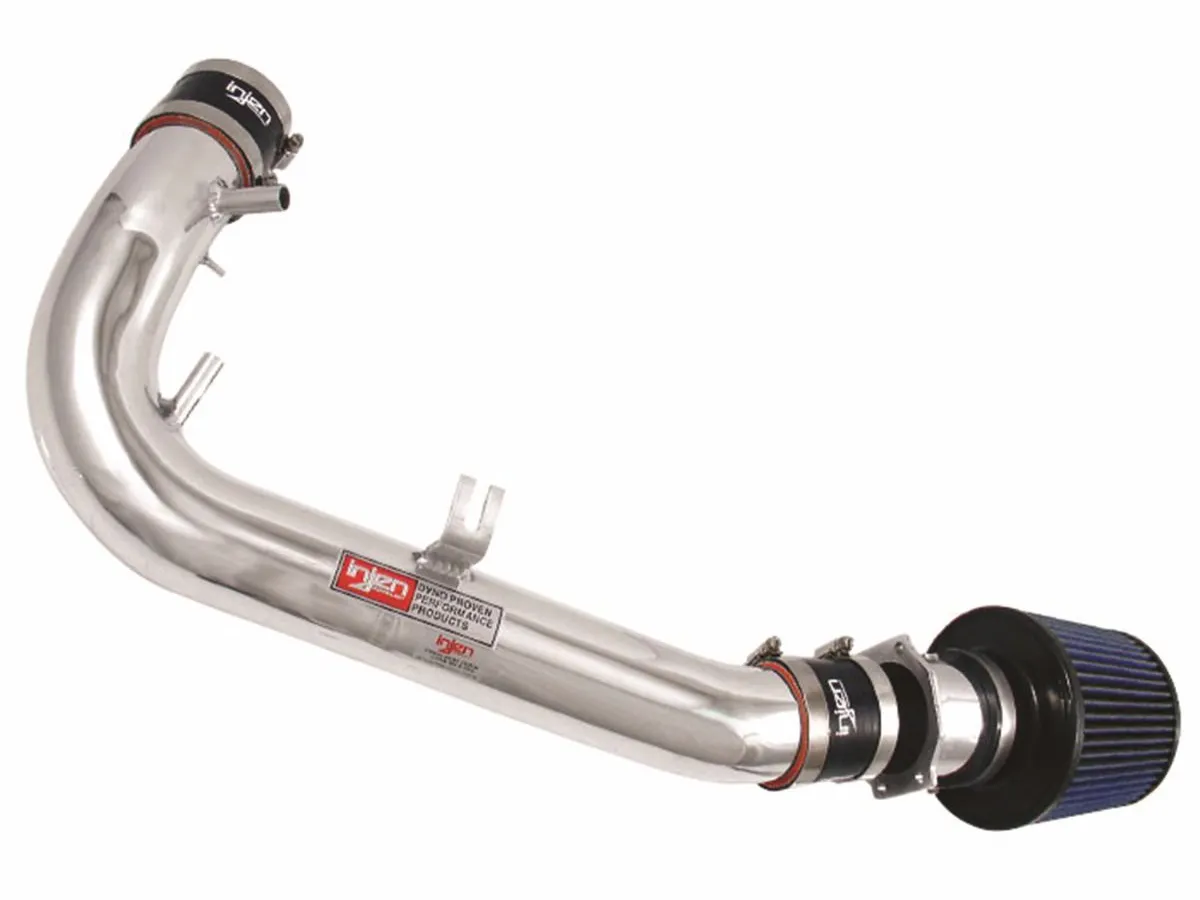

CARB-Certified Cold Air Intake – Must include EO number to be street legal in California and many states.
DOT Compliant Headlight / LED Kit – Improves illumination while meeting FMVSS 108 standards. (Wikipedia)
EPA-Approved Catalytic Converter – Keeps emission systems intact, avoids federal violation.
Low-Noise Muffler / Exhaust System – Designed to meet decibel limits (ex: 95 dB).
⚠️ Risk Disclaimer
This article provides general informational guidance about U.S. vehicle modification regulation. Laws vary significantly by state and city, and change frequently. This is not legal advice. Always consult:
Your local State DMV or Secretary of State
NHTSA and EPA official resources
Certified automotive legal professionals
Failure to comply with applicable laws can result in fines, failed inspections, impoundment, or voided insurance coverage. (FindLaw)
📌 Official Resources for Compliance
Before you modify your vehicle, check these authoritative sources:
National Highway Traffic Safety Administration (NHTSA) – FMVSS: https://www.nhtsa.gov/laws-regulations/fmvss
Environmental Protection Agency (EPA) – Clean Air Act: https://www.epa.gov/laws-regulations/summary-clean-air-act
California Air Resources Board (CARB): https://ww2.arb.ca.gov/ (for strict emissions states)
State DMV Offices: e.g., California DMV – https://www.dmv.ca.gov
🔥 Ready to Compare Options?
➡ Compare Performance Parts & Legal Mods – Find CARB-compliant parts or DOT lighting that keeps your ride legal.
➡ Check Current Laws for Your State – Visit your state DMV and EPA/CARB sites for the latest updates.