

At What Age Do Kids in the United States Typically Start Learning to Drive?
AutoReviewUS - Understanding when teens begin learning to drive in the United States involves law, safety, cost, and readiness factors. In this long-form article you’ll get state-by-state rules, expert sources, best car options for new drivers (with images), comparison tables, and resources to compare insurance and investment in driving readiness.
Table of Contents
Driving Age by State (Official Legal Requirements)
Why the U.S. System Varies
Teen Driver Safety & Risk Data
Best Cars for New Drivers (Affiliate + Images)
Comparison Table: Cars for Teen Drivers
“Which Is Right for You?”
Insurance & Cost Considerations
Risk Disclaimer
Call to Action: Compare Platforms & Check Current Rates
Author Bio
1. Driving Age by State (Official Legal Requirements)
In the U.S., there is no single national age for when children can start learning to drive — it’s governed by state Departments of Motor Vehicles (DMV) or equivalent agencies. The typical progression is:
| Stage | Typical Age Range | Description |
|---|---|---|
| Learner’s Permit | 14–16 | Allows supervised driving with an adult. |
| Intermediate/Provisional License | 16–17 | Unsupervised, but with restrictions (curfew, passenger limits). |
| Full Driver’s License | 17–18+ | Full driving privileges. |
State minimums differ. For example:
South Dakota allows learner’s permits at age 14.
California allows learner’s permits at age 15½.
New York allows learner’s permits at age 16.
(Source: official DMV sites — e.g., California DMV, New York DMV)
To verify the exact age requirements, always consult your state’s official DMV page or the American Association of Motor Vehicle Administrators (AAMVA).
Read also :
Navigating the US Automotive Market: A Startup Owner’s Guide
Essential Tips for Automotive Startups: How to Thrive in the US Market
Top Strategies for Launching a Successful Automotive Startup in the USA (2026 Guide)
Hagerty Classic Car Insurance in the USA: The Ultimate Guide for Enthusiasts
Best Car Insurance Companies in the US (2026) — Ultimate Comprehensive Guide
2. Why the U.S. System Varies
The U.S. constitutional structure gives states authority to regulate driving because they control traffic safety, licensing, and roadway regulations. Factors influencing age rules include:
Population density differences
Rural driving needs
Teen safety statistics
Insurance risk models
According to the Centers for Disease Control and Prevention (CDC), teen drivers have higher crash rates than older drivers.
3. Teen Driver Safety & Risk Data
The CDC reports that motor vehicle crashes are a leading cause of death for U.S. teens. Key stats:
Teen drivers (ages 16–19) are nearly 3× more likely to be in a fatal crash than drivers aged 20 and older.
Crash risk is highest during the first year of driving.
Safety advocates recommend extended supervised driving periods and defensive driving training before teens begin unsupervised driving.
4. Best Cars for New Drivers
Below are safe, reliable, and budget-friendly cars often recommended for teens. These models are commonly offered by silver dealers in the U.S. as pre-owned options — ideal for first-time drivers.
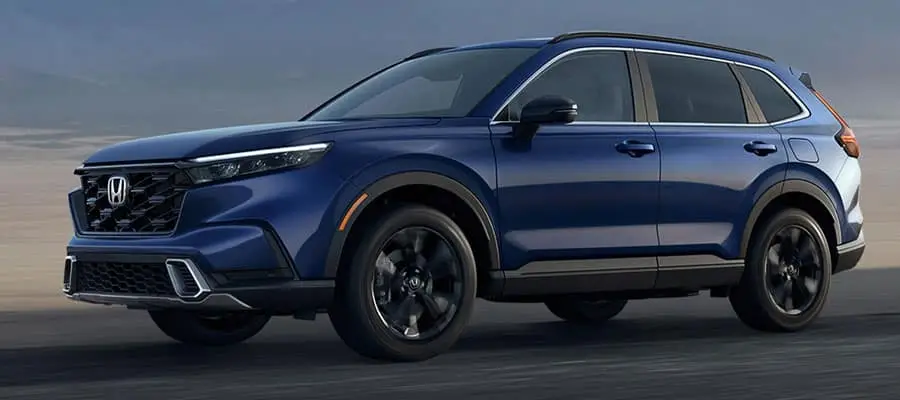

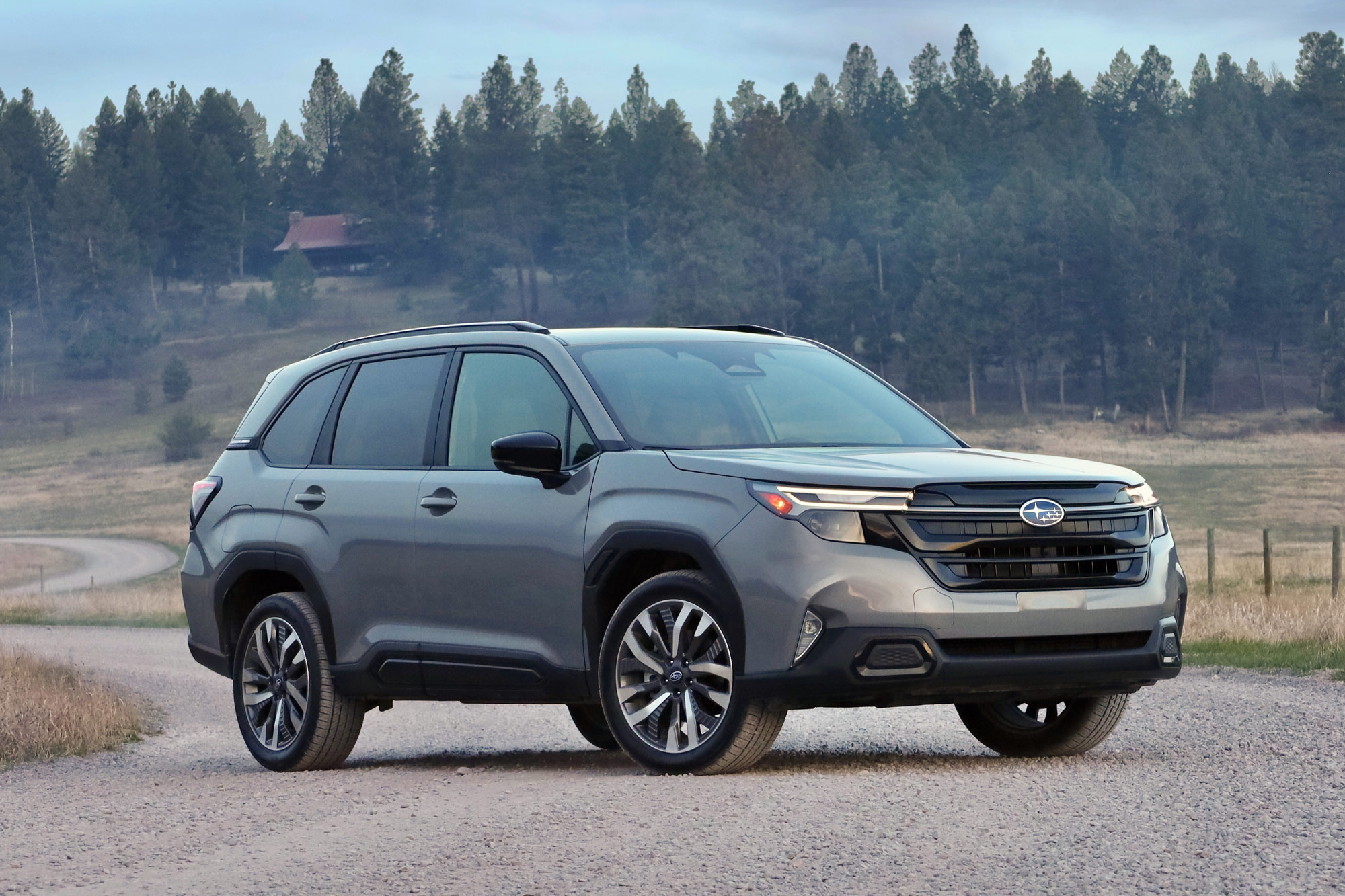
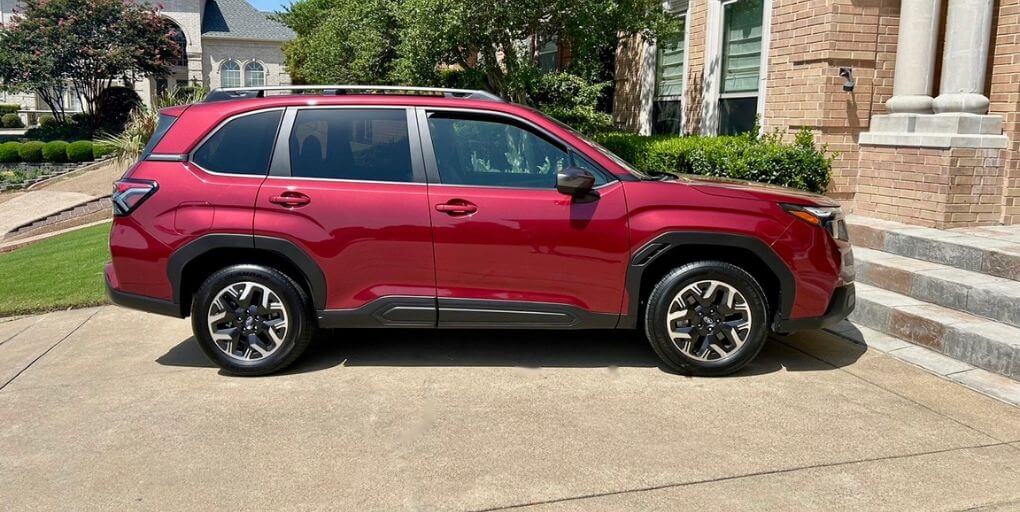
Recommended Cars for New Drivers
Honda CR-V – reliability, safety ratings, good resale value
Toyota Corolla – fuel-efficient and affordable
Subaru Forester – all-wheel drive safety for varied conditions
Mazda CX-5 – sporty handling and strong crash test scores
5. Comparison Table: Best Cars for Teen Drivers
| Model | Safety Rating | Fuel Economy (City/Hwy) | Estimated Price (Used) | Best For |
|---|---|---|---|---|
| Honda CR-V | ⭐⭐⭐⭐½ | 28/34 MPG | $16,000–$27,000 | All-purpose family & teen |
| Toyota Corolla | ⭐⭐⭐⭐½ | 30/38 MPG | $14,000–$22,000 | Budget & fuel efficiency |
| Subaru Forester | ⭐⭐⭐⭐ | 26/33 MPG | $18,000–$28,000 | Safety in all weather |
| Mazda CX-5 | ⭐⭐⭐⭐ | 24/30 MPG | $17,000–$29,000 | Sportier ride & style |
Sources: IIHS & NHTSA safety ratings; current dealer data.
6. Which Is Right for You?
To choose the best car for a new driver, consider:
✔ Safety ratings (look for ⭐⭐⭐⭐ or higher)
✔ Reliability and repair costs
✔ Insurance premiums for teen drivers
✔ Fuel efficiency
✔ Local climate (snow, rain, etc.)
For teens in areas with harsh winters, all-wheel drive models like the Subaru Forester may be more suitable. In urban environments, compact and fuel-efficient cars like the Toyota Corolla can save ongoing costs.
7. Insurance & Cost Considerations
Insurance for teen drivers can be expensive. Options to reduce costs include:
Adding the teen to a parent’s policy
Selecting vehicles with strong safety ratings
Maintaining good grades (many insurers offer good student discounts)
Comparing quotes across platforms
👉 Compare insurance platforms — see current competitive rates for teen drivers.
8. Risk Disclaimer
This article is for informational purposes only. Laws change regularly, and you should verify current requirements with your state’s official DMV or equivalent authority. Vehicle prices and safety ratings vary by model year and condition — always research current data before purchase.
9. Call to Action (CTA)
🔎 Compare Investment Platforms & Insurance Rates
Protect your teen and your investment — find the best rates and coverage today.
📈 Check Current Used Car Listings & Rates
Explore trusted U.S. silver dealers for safe, quality vehicles ideal for new drivers.