AutoreviewUS - What if one of the "safest" things you do while driving is actually putting everyone around you at greater risk? Millions of drivers switch on their hazard lights in heavy rain or traffic without realizing they're sending the wrong message. Here's why this common habit could be more dangerous than you think.
The end of 2021 is beginning to be tinged with rain. Sometimes high rainfall makes motorists have to be more careful. But sometimes we still see many drivers who turn on hazard lights when it rains. There are still many motorists on the highway who are misguided with the function of hazard lights. In fact, it is clear that the function of hazard lights should only be used during emergencies. The question is, "Can you use hazard lights when it rains heavily?"
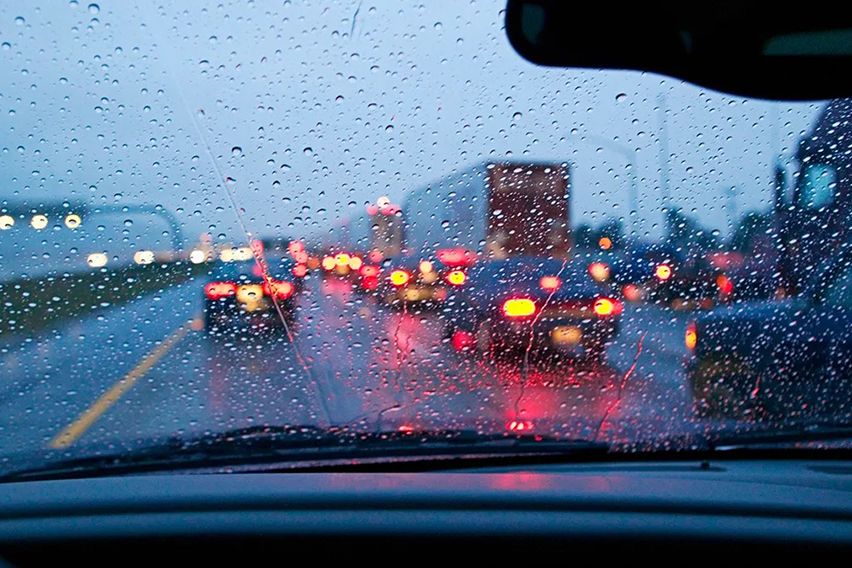 |
| Misguided About The Use of Hazard Lights, This Is the Danger |
Rifat Sungkar, brand ambassador of Mitsubishi Motors Indonesia, admitted that there are still many motorists in Indonesia turning on hazard lights in conditions of heavy rain and lack of visibility. Hazard that is continuously ignited can actually increase the potential for accidents, because the maneuver is difficult to read by other riders. Rifat who is also a national pereli explained this during a virtual talk with the media, Tuesday (12/14/2021).
Read Also :
Smart Automotive Tips to Save Money on Car Repairs in America
Beginner’s Guide to Car Ownership in the United States
Top Automotive Tips to Extend Your Car’s Lifespan in the USA
Essential Car Maintenance Tips Every U.S. Driver Should Know
Rifat said the phenomenon of application of hazard lights under the splash of heavy rain that seems to be considered commonplace by motorists today. Reminded by the driver who drove the Mitsubishi Xpander AP4 that the use of hazard lights is not allowed except in an emergency, namely the car stops.
Hazard lights are times when both left and right lights are on or flashing at the same time. Hazard lights are also often referred to as emergency lights, but the emergency conditions intended here are not included in rainy or foggy conditions.
"It's misguided, why is that? Because the existing vehicle system already has qualified features, let alone there is a current DRL, the survey proves the use of DRL can reduce the accident rate. On the other hand, we have a hazard system that can signal to other road users when there is danger," rifat explained.
"But please don't use hazards when the car is running. Hazard is the only signal that gives a sign that the car is indeed stopped," he added.
Hazard lights themselves have their own functions, including:
- Used when the vehicle is having problems on the road and has to pull over. The hazard lights that are on will give a warning to the rider behind you.
- Alert the vehicle behind if there is an accident or must stop suddenly.
The danger posed when using hazards in the middle of an oncoming vehicle, is that other drivers on the road cannot predict our maneuvers. Whether it's when it's going to turn or shift to another lane. The activation of two sein lights simultaneously does not help safer conditions, although it is considered that the riders actually "increase visibility".
Instead of preventing, the use of hazard lights not in accordance with its function can actually increase the potential for accidents. Then the use of hazard lights on the highway in less than ideal driving conditions must be considered.
"Regarding hazard, there is a potential accident, because hazard is only turned on for a speed of 0 (km / h) or stopped. So if it is turned on on the road it will create confusion. So do not turn on hazard unless in an emergency or stop," continued pereli who is now also active as a member of the management of the Indonesian Motor Association (IMI).
In addition to avoiding the use of hazards, Rifat also reminded the importance of maintaining distance and speed when driving in rainy weather. Because no matter how much safety features, driving at high speeds especially under heavy rain will actually increase the potential for accidents.
About the Author
David Mulyana is the founder and editor of AutoReviewUS, an independent automotive publication dedicated to delivering reliable reviews, industry news, buying guides, and expert insights. His work focuses on cars, motorcycles, electric vehicles (EVs), automotive technology, maintenance, and market trends in the United States and around the world.
With a strong passion for the automotive industry and digital publishing, David creates content that helps readers make informed decisions when buying, maintaining, or comparing vehicles. Every article is researched using trusted manufacturer information, industry reports, and reputable automotive sources to ensure accuracy and relevance.
At AutoReviewUS, the mission is simple: provide honest, informative, and easy-to-understand automotive content for enthusiasts, first-time buyers, and everyday drivers.
Areas of Expertise:
- Car Reviews
- Motorcycle Reviews
- Electric Vehicles (EVs)
- Automotive Technology
- Vehicle Buying Guides
- Car Insurance
- Maintenance Tips
- Automotive Industry News
Editorial Policy: AutoReviewUS is committed to publishing original, unbiased, and fact-checked content. Reviews and recommendations are created independently to help readers make better automotive decisions.
Comments
Post a Comment